Vietnam Visa Types: Every Symbol From NG1 to UD2 and What It Is For
Pick the symbol by purpose. A tourist gets DL, up to 90 days. A foreign worker gets LD1 or LD2, up to 2 years. Each symbol has a maximum validity, from 30 days to 5 years. A visa's purpose can be converted only in set cases.
On this page
Which case are you?
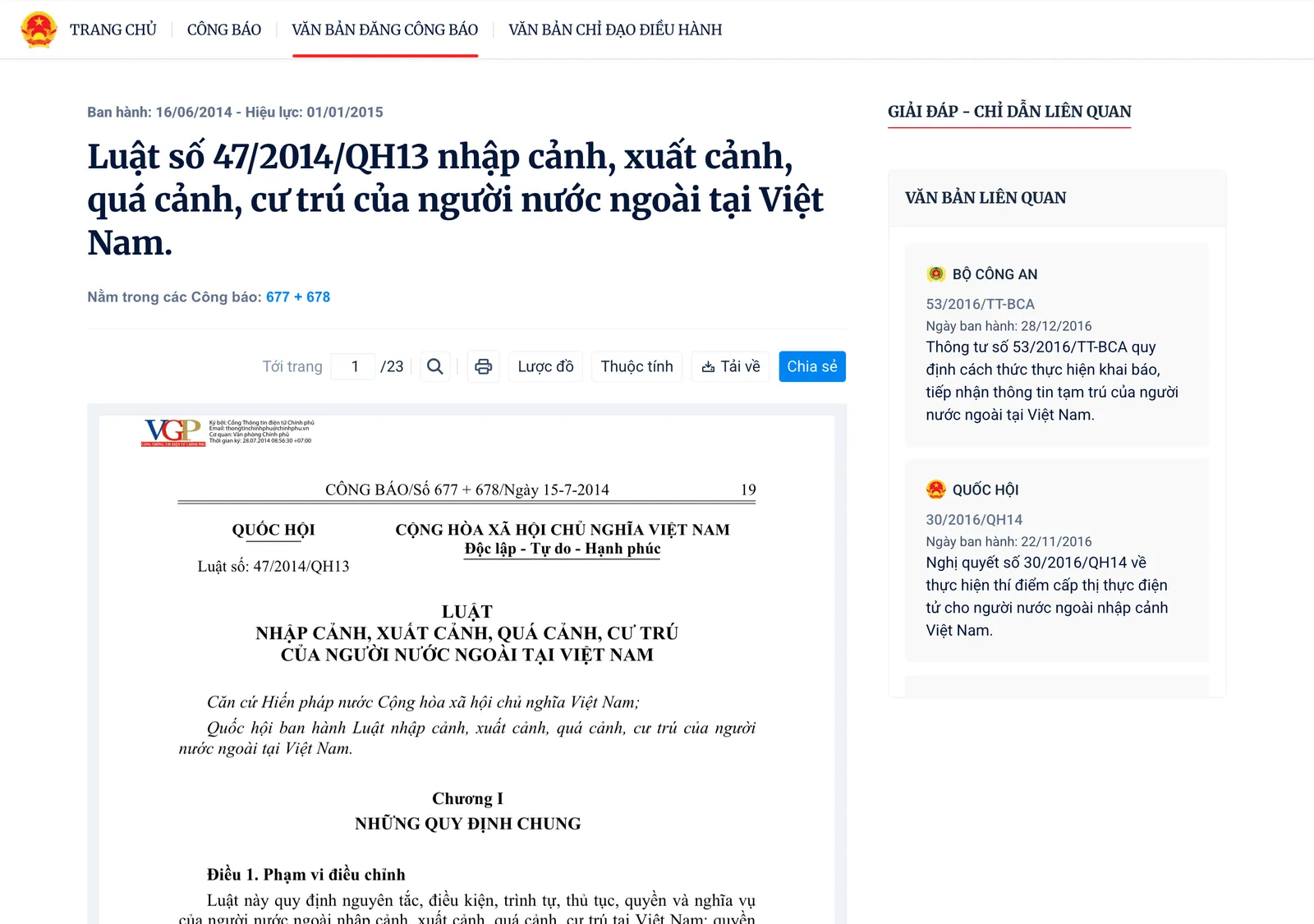
The foreigners law lists every visa symbol in one place, Article 8. The list opens with NG1.
NG1 - Cấp cho thành viên đoàn khách mời của Tổng Bí thư Ban Chấp hành Trung ương Đảng Cộng sản Việt Nam, Chủ tịch nước, Chủ tịch Quốc hội, Thủ tướng Chính phủ.
NG1 is issued to members of a delegation invited by the General Secretary of the Communist Party of Vietnam Central Committee, the State President, the National Assembly Chairman, or the Prime Minister.
Law 47/2014/QH13, Điều 8, as amended
- You arrive as a tourist → DL, valid up to 90 days. The e-visa, EV, is valid up to 90 days too. See the e-visa guide.
- You work for a company or organisation in Vietnam → LD2 if you are subject to the work-permit requirement, LD1 if you are confirmed as not subject to it. Both are valid up to 2 years.
- You invest in Vietnam → DT1 to DT4, set by contributed capital or, for DT1 and DT2, by a Government-designated sector. DT3 covers capital from 3 billion to under 50 billion VND and is valid up to 3 years.
- You are the parent, spouse or child of a Vietnamese citizen → TT, valid up to 1 year. TT is one of the symbols that lead to a temporary residence card.
- You entered on an e-visa and now work → the purpose can be converted with a work permit or a confirmation that you are not subject to one.
- You visit relatives or study → VR, valid up to 180 days. DH, for an internship or study, is valid up to 1 year.
The table groups the symbols by maximum validity.
| Maximum validity | Symbols |
|---|---|
| 30 days | SQ |
| 90 days | DL, EV, HN |
| 180 days | VR |
| 1 year | NG1, NG2, NG3, NG4, LV1, LV2, DT4, DN1, DN2, NN1, NN2, NN3, DH, PV1, PV2, TT |
| 2 years | LD1, LD2 |
| 3 years | DT3 |
| 5 years | LS, DT1, DT2, UD1, UD2 |
A visa’s validity must also end at least 30 days before the passport expires.
Every symbol, group by group
In the law, the D in LD1, DT1 and UD1 is the Vietnamese D with a bar. This page writes it as a plain D.
Diplomatic and state-guest visas: NG1 to NG4
NG1 is issued to members of a delegation invited by the top Party and State leaders. NG2 covers delegations invited by the next level of Party, State, National Assembly and Government leaders, and by equivalent provincial and ministerial leaders.
NG3 is issued to members of diplomatic missions, consular offices and representative offices of UN and inter-governmental organisations. It also covers their spouse, children under 18 and domestic staff who accompany them for the term.
NG4 is issued to people who come to work with those same offices, with an accompanying spouse and children under 18. It is also issued to people who come to visit members of such offices. NG1 to NG4 are all valid up to 1 year.
Working with state bodies: LV1 and LV2
LV1 is issued to people who come to work with Communist Party central bodies, the National Assembly, the Government, ministries, courts and provincial Party and People’s Committee bodies. LV2 is for people who come to work with socio-political organisations, social organisations or the Vietnam Federation of Commerce and Industry. Both are valid up to 1 year.
Foreign lawyers: LS
LS is issued to foreign lawyers practising in Vietnam. It is valid up to 5 years.
Investors: DT1 to DT4
The four investor symbols split by contributed capital, held by the investor or by the representative of a foreign organisation investing in Vietnam.
- DT1: capital of 100 billion VND or more, or investment in a sector or area the Government designates for investment incentives. Valid up to 5 years.
- DT2: capital from 50 billion to under 100 billion VND, or investment in a sector the Government designates for encouraged development. Valid up to 5 years.
- DT3: capital from 3 billion to under 50 billion VND. Valid up to 3 years.
- DT4: capital under 3 billion VND. Valid up to 1 year.
Business and NGO visas: DN1, DN2, NN1 to NN3
DN1 is issued to a foreigner who works with an enterprise or other organisation that has legal-entity status under Vietnamese law. DN2 is for a foreigner who comes to offer services, set up a commercial presence or carry out other activities under an international treaty Vietnam is party to.
Both are valid up to 1 year. The sponsor files the request with the immigration authority, which has 5 working days to review it.
NN1 is for the head of a representative or project office of an international organisation or foreign NGO. NN2 is for the head of a foreign trader’s representative office or branch. NN3 is for a foreigner who comes to work with such organisations.
Study, conferences and the press: DH, HN, PV1, PV2
DH is issued to a foreigner who comes for an internship or to study. HN is for a foreigner who comes to attend a conference or seminar, valid up to 90 days.
PV1 is for a foreign journalist or press representative permanently resident in Vietnam. PV2 is for one on a short-term assignment. Both are valid up to 1 year.
Work visas: LD1 and LD2
LD1 is issued to a foreigner working in Vietnam who is confirmed as not subject to a work-permit requirement, except where an international treaty says otherwise. LD2 is for a foreigner who is subject to the work-permit requirement. Both are valid up to 2 years.
Tourism and family: DL, TT, VR
DL is issued to a foreigner who comes as a tourist, valid up to 90 days.
TT is issued to the spouse or a child under 18 of a foreigner holding an LV1, LV2, LS, DT1, DT2, DT3, NN1, NN2, DH, PV1, LD1 or LD2 visa. It is also issued to a parent, spouse or child of a Vietnamese citizen. TT is valid up to 1 year.
VR is issued to a foreigner who comes to visit relatives or for another purpose, valid up to 180 days.
A special case: SQ
SQ is issued for the cases in Article 17, clause 3 of the law. That clause lets the head of a Vietnamese visa-issuing mission abroad issue visas to foreigners who enter for market research, tourism, visiting relatives or medical treatment.
It names two groups:
- people with a working relationship with that mission, with their spouse and children, or with a written request from the host country’s foreign-ministry body
- people with a guarantee note from a diplomatic or consular mission of a country based in the host country
An SQ visa is valid up to 30 days.
The e-visa and the newest symbols
EV is the symbol for Vietnam’s electronic visa. It is valid up to 90 days, for single or multiple entries. An e-visa goes to a passport-holding foreigner who is not in the top state-guest categories of Article 8. Fees, gates and steps are in the Vietnam e-visa guide.
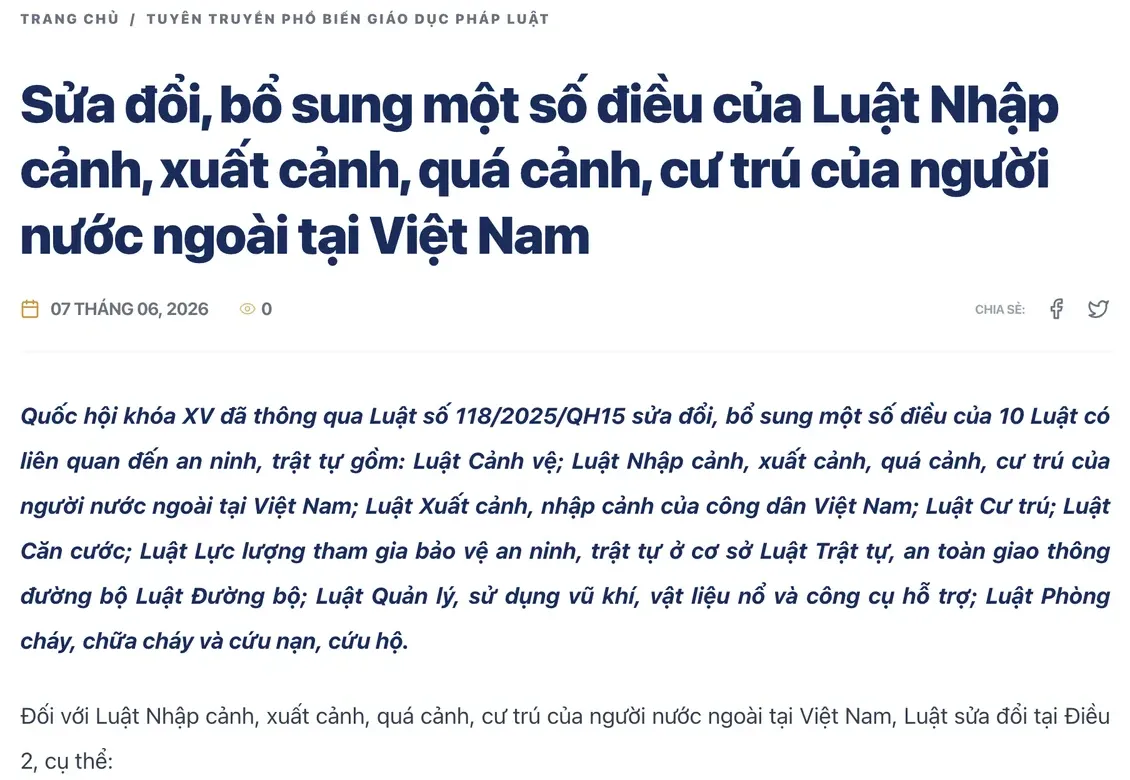
Law 118/2025/QH15 applies from 1 July 2026. It added UD1 and UD2.
UD1 is issued to a foreigner who counts as high-quality workforce in the digital technology industry. It also covers other cases that a law or a National Assembly resolution entitles to preferential treatment. UD2 is for the spouse or a child under 18 of a UD1 holder. Both are valid up to 5 years.
Which symbols lead to a temporary residence card
Article 36 of the law sets out the cases in which a temporary residence card is issued. As amended by Law 118/2025/QH15, they include a foreigner temporarily residing in Vietnam who is eligible for a visa with a listed symbol.
The listed symbols are LV1, LV2, LS, DT1, DT2, DT3, NN1, NN2, DH, PV1, LD1, LD2, TT, UD1 and UD2. DN1 and DN2 do not appear in that list.
Members of diplomatic missions, consular offices and UN or inter-governmental offices in Vietnam are also among the cases, with their spouse, children under 18 and domestic staff. Their card is marked NG3.
A card marked LD1, LD2 or PV1 is valid up to 2 years. A card marked DT1, UD1 or UD2 is valid up to 10 years. Any card must end at least 30 days before the passport expires.
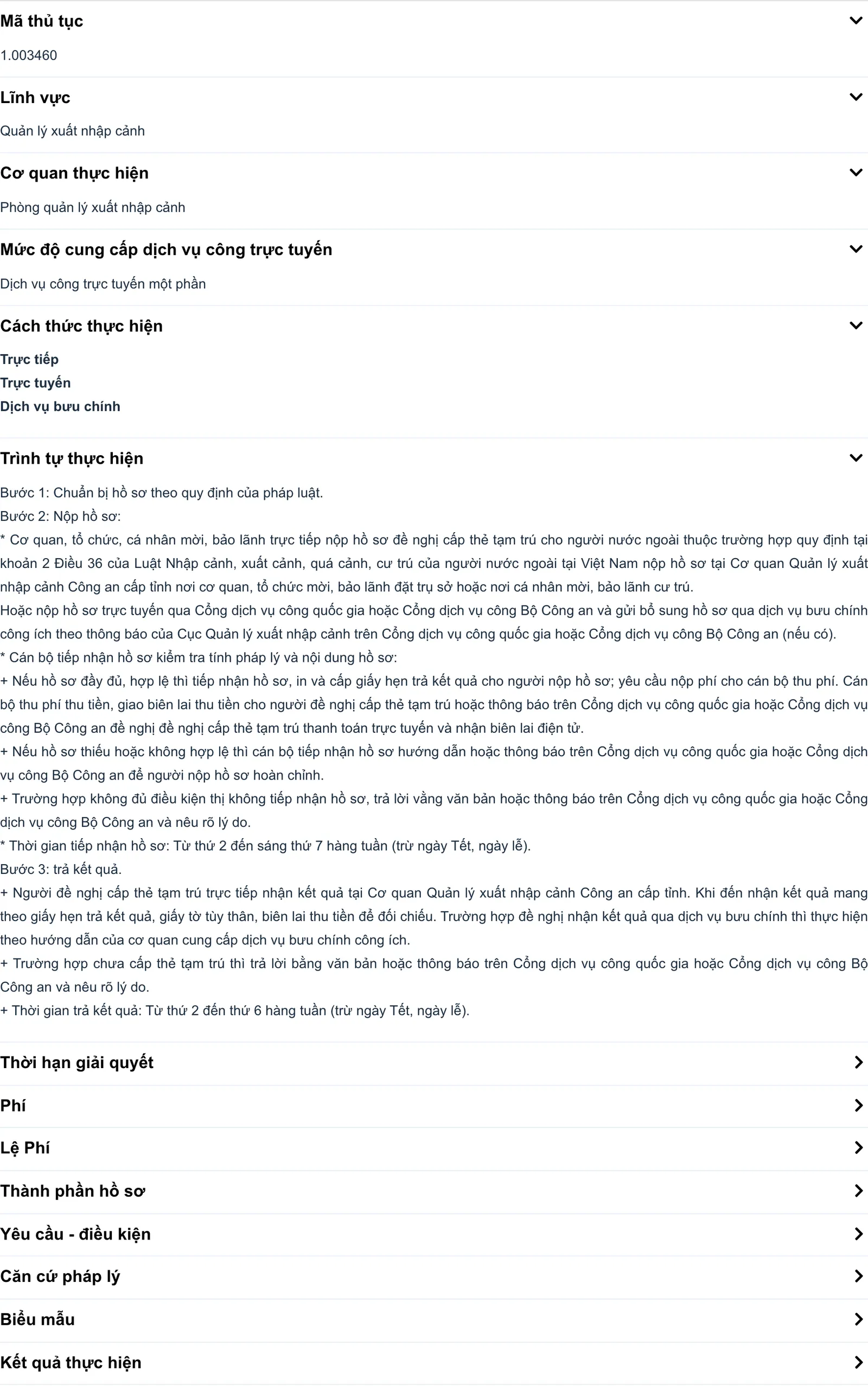
For eligibility, fees and steps in Nha Trang, see the temporary residence card guide.
One visa, one purpose
A visa cannot have its purpose converted, except in the cases below:
- documents proving you are an investor, or a representative of a foreign organisation investing in Vietnam
- documents proving you are the parent, spouse or child of the person who invited or sponsored you
- an invitation or sponsorship by an agency or organisation to work, with a work permit or a confirmation that you are not subject to one
- an entry on an e-visa, with a work permit or a confirmation that you are not subject to one
When a purpose is converted, a new visa is issued with the symbol and validity that match the new purpose. None of these four cases leads to DN1 or DN2.
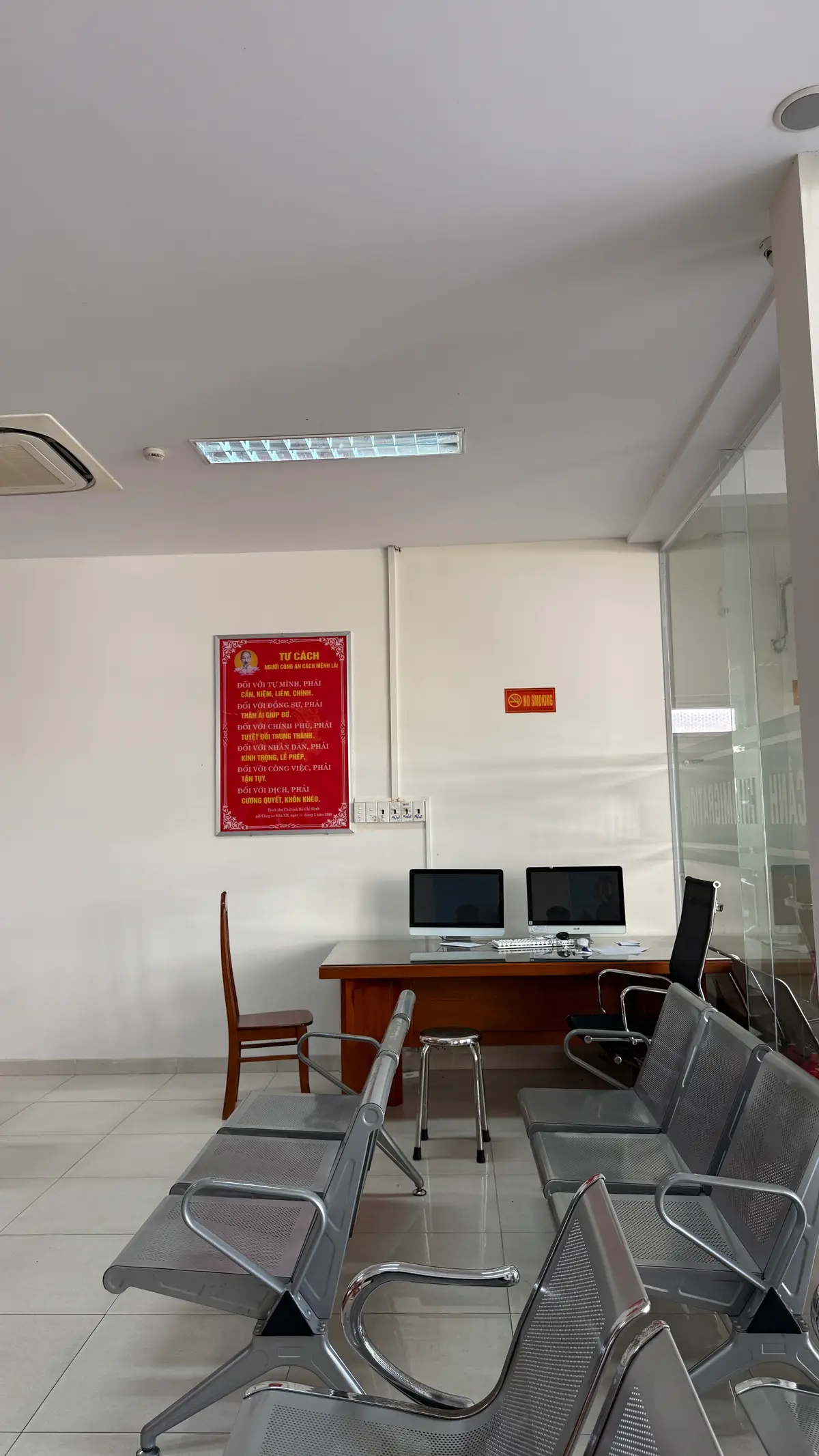
Visa and card procedures in Nha Trang
The Khanh Hoa police immigration service list names the Immigration Management Division as the body that carries out its immigration procedures. The list includes issuing visas to foreigners in Vietnam and issuing temporary residence cards to foreigners in Vietnam at provincial police.
The division’s notice of 27 June 2025 gives its address as 47 Ly Tu Trong, Loc Tho, Nha Trang. Loc Tho is one of the old wards merged into Nha Trang Ward.
For most symbols the inviting organisation or individual files the request, not you. For fees by symbol, see Vietnam immigration fees. To extend a stay, see how to extend your visa in Nha Trang.
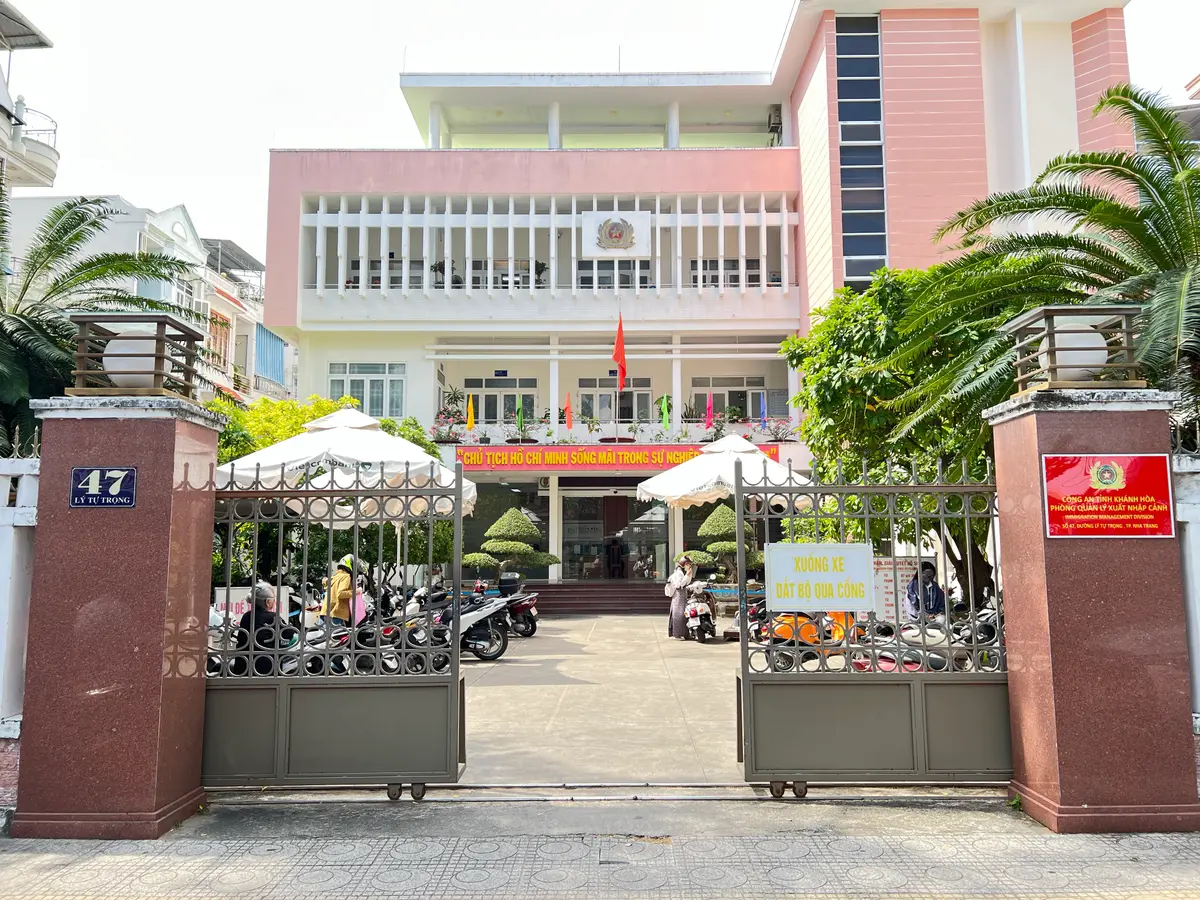
47 Ly Tu Trong, Nha Trang, Khanh Hoa 650000, Vietnam · Open in Google Maps (opens in a new tab)
Open the immigration office in Google Maps (opens in a new tab)
For the office address, hours and procedures, see the Nha Trang immigration office guide. If your passport is visa-exempt, see Vietnam visa exemption for Nha Trang. The visa hub lists every guide.
Photos and clips uploaded to Google Maps (Khanh Hoa immigration office on Google Maps (opens in a new tab)) by @Khanh Dinh, @Evgenii Lukashevich.
Not confirmed: Where to file a visa purpose conversion, in Vietnam or abroad. Whether UD1 covers remote workers. The immigration office address comes from a notice of 27 June 2025: check it before you go.
Common questions
What does DL mean on a Vietnam visa?
DL is issued to a foreigner who comes as a tourist. It is valid for up to 90 days.
What is the difference between LD1 and LD2?
LD1 is issued to a foreigner working in Vietnam who is confirmed as not subject to a work-permit requirement, except where a treaty says otherwise. LD2 is for a foreigner who is subject to the work-permit requirement. Both are valid for up to 2 years.
Can I change my visa's purpose after entering Vietnam?
Except in set cases, a visa's purpose cannot be converted. One case is documents proving you invest in Vietnam or represent an investing organisation. Another is proof that you are the parent, spouse or child of your inviting individual. The last two need a work permit or an exemption confirmation.
Which visa symbols lead to a temporary residence card?
A foreigner temporarily residing in Vietnam who is eligible for a listed symbol is among the card cases. The list is LV1, LV2, LS, DT1, DT2, DT3, NN1, NN2, DH, PV1, LD1, LD2, TT, UD1 and UD2. Diplomatic, consular and UN or inter-governmental office members get a card marked NG3.
How long is a Vietnam e-visa valid?
The e-visa, symbol EV, is valid for up to 90 days, for single or multiple entries.
What is the SQ visa symbol for?
SQ is issued for the cases in Article 17, clause 3: market research, tourism, family visits or medical treatment, for two groups. SQ visas are valid for up to 30 days.
Is TT a dependent visa?
TT is issued to the spouse or a child under 18 of a holder of LV1, LV2, LS, DT1, DT2, DT3, NN1, NN2, DH, PV1, LD1 or LD2. It is also issued to the parent, spouse or child of a Vietnamese citizen.
What is the maximum validity of a DN1 or DN2 business visa?
DN1 and DN2 fall in the group of visas valid for up to 1 year.
Read next
General information checked against the sources listed above, not legal advice for your situation. Rules and office practice change; confirm with the immigration office or a licensed adviser before you act. See how guides are checked.
Spotted an error? Report it.