Birth Registration in Nha Trang for Foreign Parents: Ward, Documents, Deadline (2026)
Foreign parents register a baby born in Nha Trang at a ward People's Committee, the commune-level office, within 60 days of the birth. Khanh Hoa lists birth registration with a foreign element among procedures carried out regardless of administrative boundaries in the province. The civil-status fee is 0 VND for online filing.
On this page
- Which office registers a birth in Nha Trang
- Steps to register the birth
- Any Nha Trang ward: Khanh Hoa’s province-wide list
- The 60-day deadline and who registers
- Documents to bring
- Nationality: the parents’ agreement
- Unmarried parents: recording the father
- What the birth certificate records
- Fee: 0 VND online, in-person rate to confirm
- The baby’s visa and passport
- What changes from 1 March 2027
- Do not give false information
- Checklist before you go
- Read next
- Step by step
- Common questions
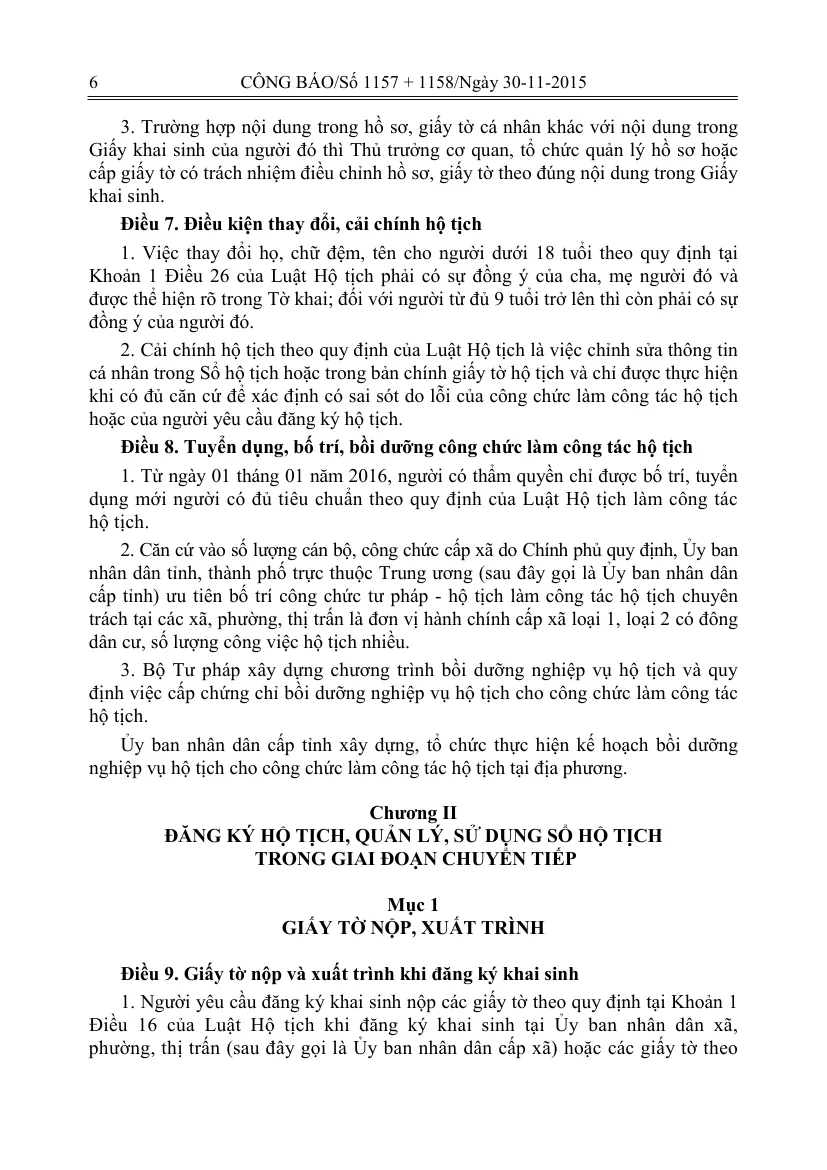
You have 60 days from your child’s birth to register it. The office is a ward People’s Committee (Ủy ban nhân dân phường), the commune-level office. This page covers a baby born in Nha Trang to foreign parents or to a foreign and a Vietnamese parent.
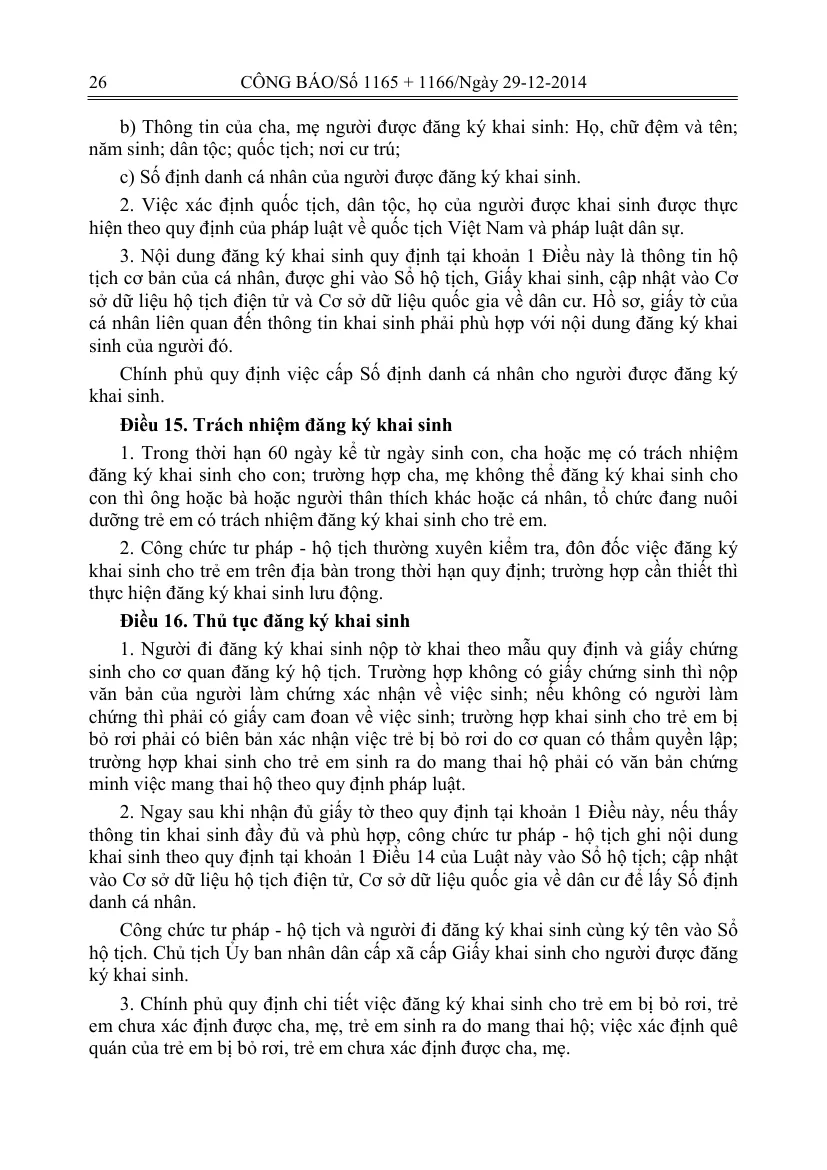
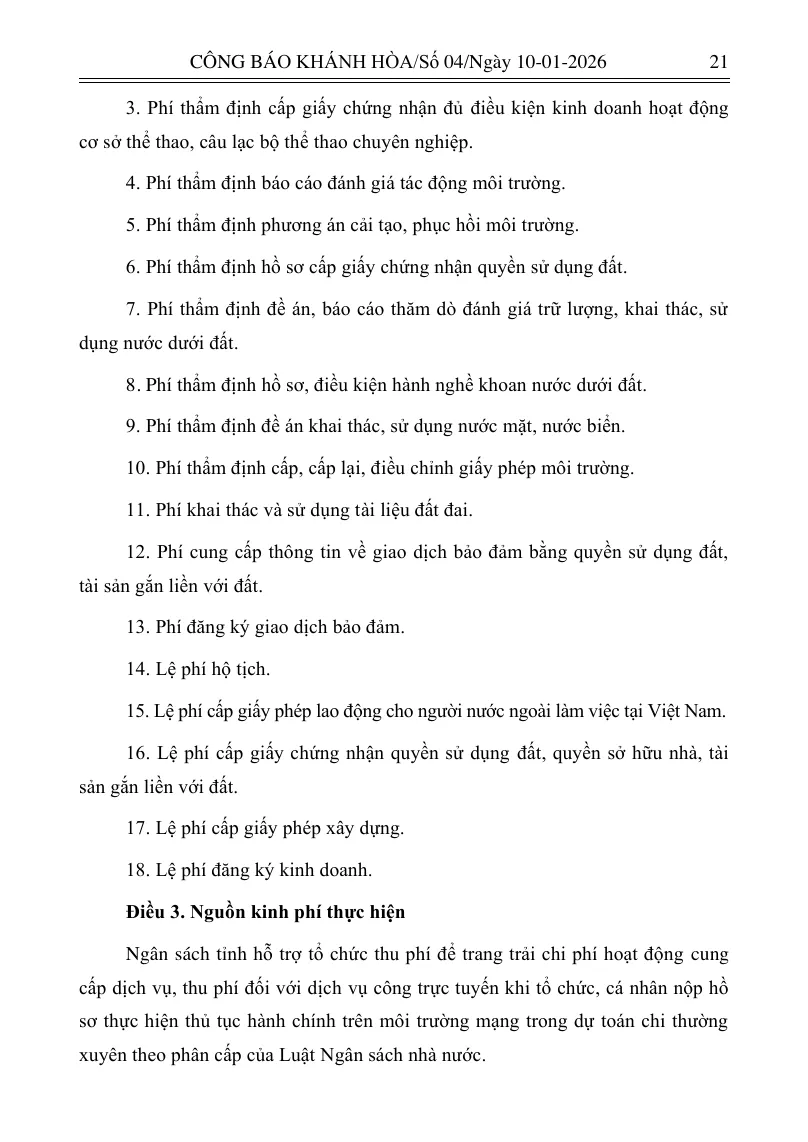
Trong thời hạn 60 ngày kể từ ngày sinh con, cha hoặc mẹ có trách nhiệm đăng ký khai sinh cho con
“Within 60 days of the child’s birth, the father or mother is responsible for registering the birth.”
Luật Hộ tịch 60/2014/QH13, Điều 15 khoản 1
Which office registers a birth in Nha Trang
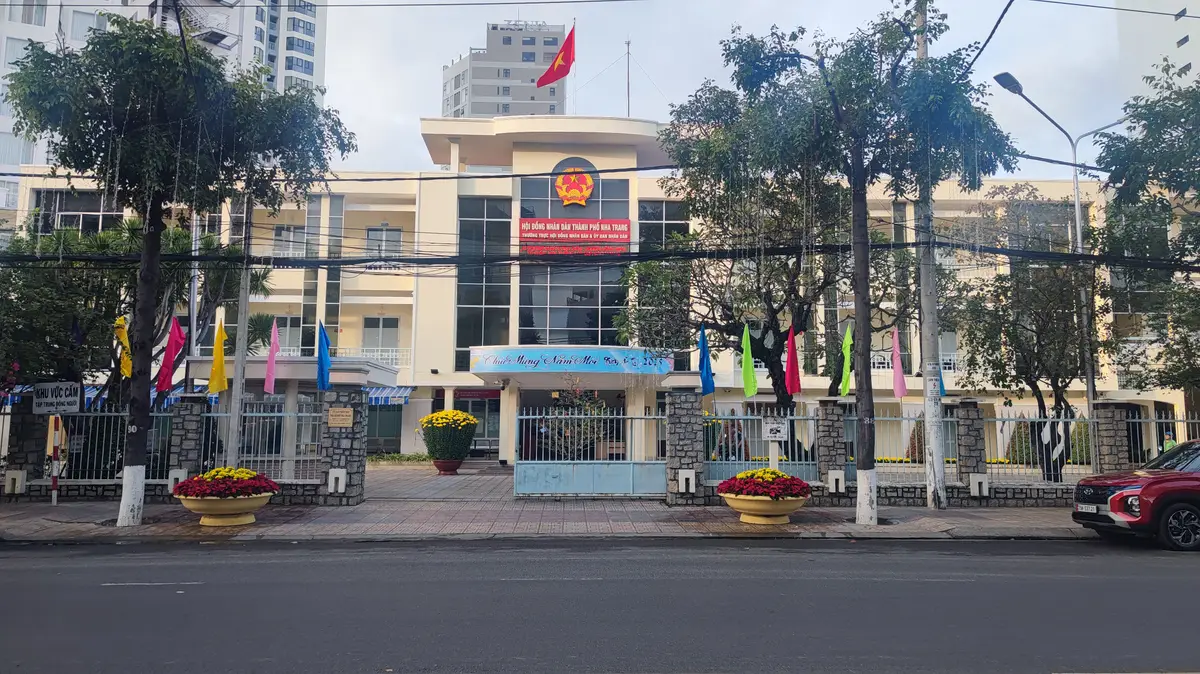
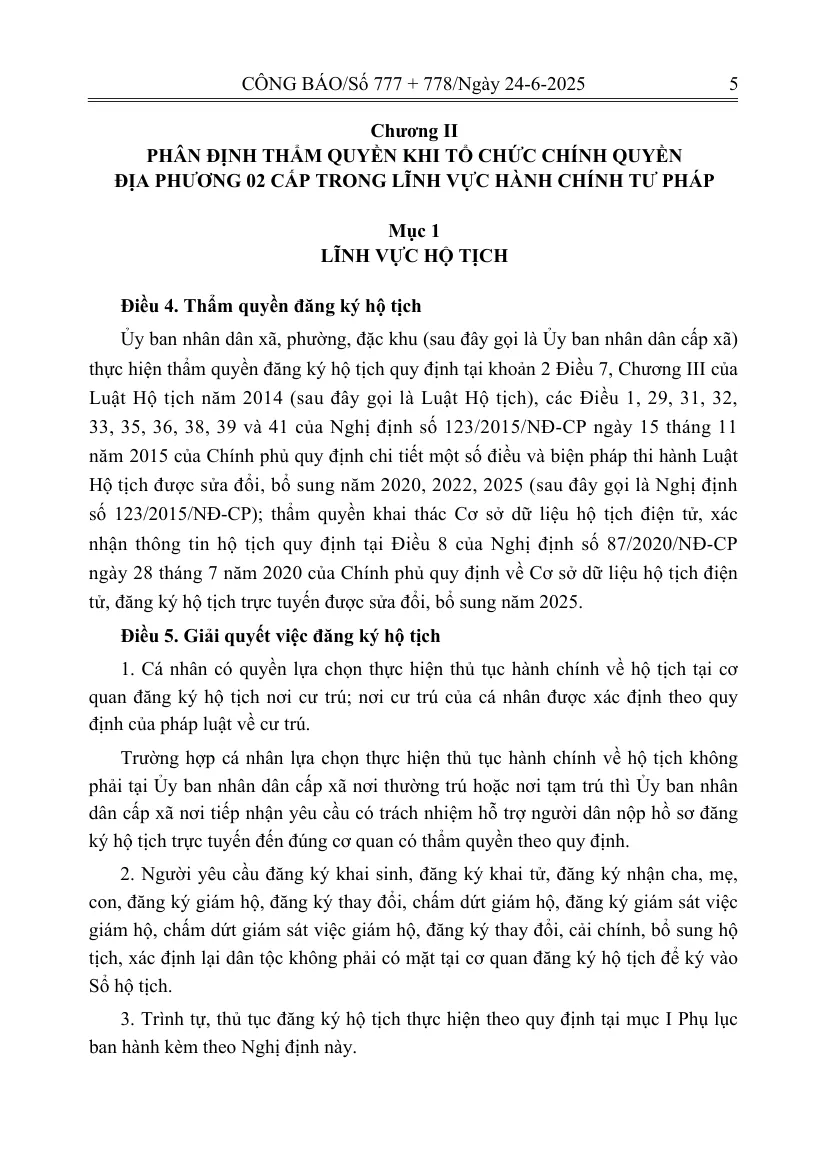
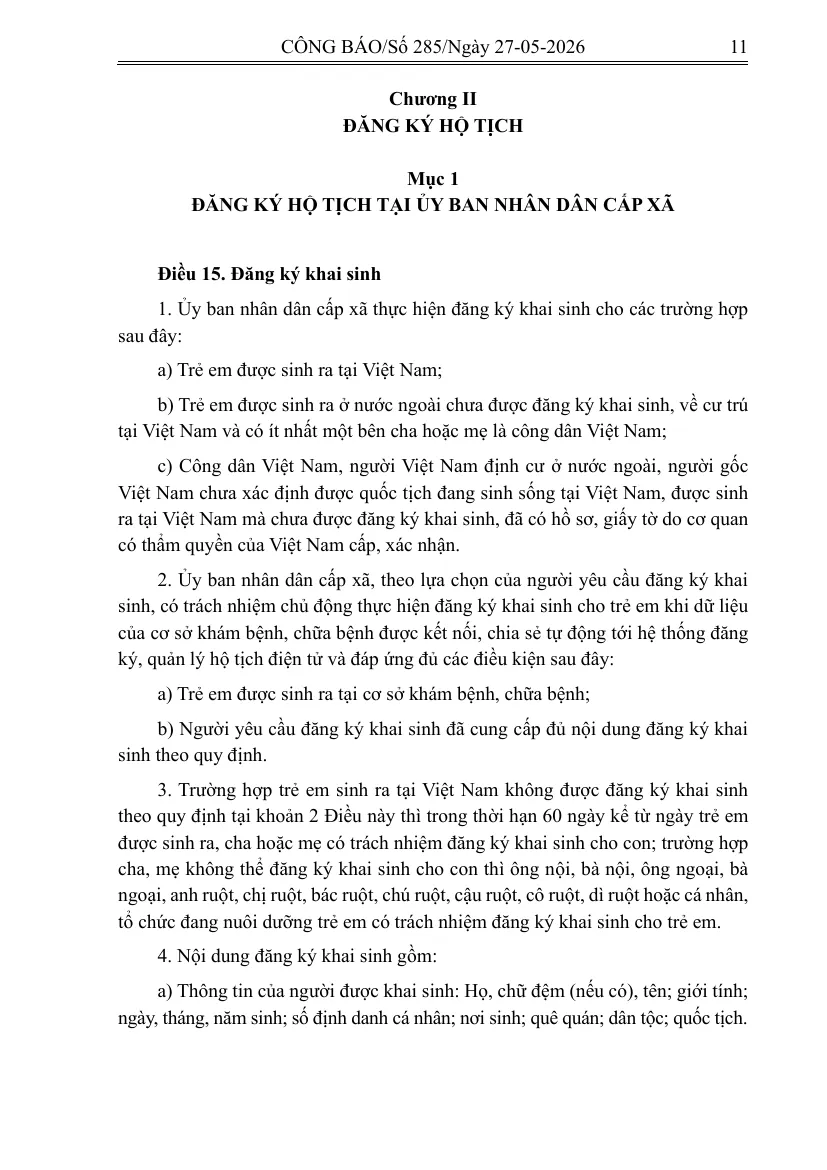
The commune-level People’s Committee, meaning a commune, ward or special zone, exercises the civil-status registration powers of the 2014 Law’s district-level chapter. That chapter is the one that begins with the article on who registers a birth.
Ủy ban nhân dân xã, phường, đặc khu thực hiện thẩm quyền đăng ký hộ tịch quy định tại khoản 2 Điều 7, Chương III của Luật Hộ tịch năm 2014
“The commune-level People’s Committee exercises the civil-status registration powers in clause 2 of Article 7 and in Chapter III of the 2014 Law on Civil Status.”
Nghị định 120/2025/NĐ-CP, Điều 4 khoản 1
The Law’s text still names the district-level committee where the father or mother lives. It covers a birth in Vietnam where one parent is Vietnamese and the other a foreign national or stateless person, or where both parents are foreign nationals or stateless persons. The decree’s annex hands the district committee’s duties to the commune-level committee.
A person has the right to choose to carry out civil-status procedures at the registration office of their place of residence. If you pick a ward that is not your permanent or temporary residence, the committee that receives your request must help you file online to the competent authority.
Steps to register the birth
- Register within 60 days of the birth. The father or mother is responsible for it. If they cannot, the duty passes to a grandparent, another close relative, or whoever is raising the child.
- Bring the declaration and the Birth Notification. Submit the declaration in the prescribed form and the Birth Notification. Show your identity documents.
- Add the nationality agreement if a parent is foreign. The written agreement on the child’s nationality goes into the file. A foreign nationality needs the foreign authority’s confirmation on that agreement.
- Translate and legalise foreign papers. Foreign-language papers need a Vietnamese translation. Foreign documents must be consularly legalised unless an exemption applies.
- File at a ward People’s Committee. Use the commune-level office. Khanh Hoa lists birth registration with a foreign element among procedures carried out regardless of administrative boundaries in the province.
- Get the birth recorded. When the documents are complete and consistent, the official records the birth in the register. You and the official both sign it, and the birth certificate is issued.
Any Nha Trang ward: Khanh Hoa’s province-wide list
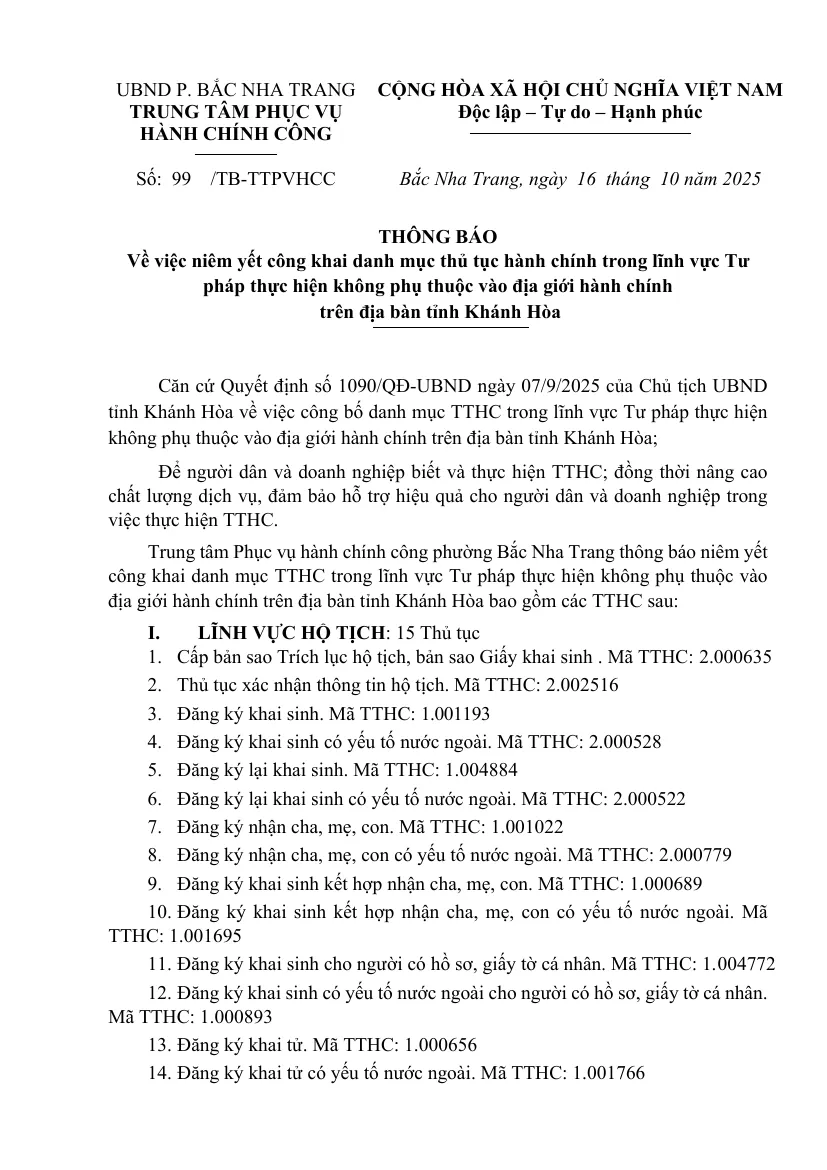
A Khanh Hoa provincial decision of 7 September 2025 published a list of Justice-field procedures that are carried out regardless of administrative boundaries within the province. The Public Administration Service Centre of Bac Nha Trang Ward posted the list for the public. The civil-status part has 15 procedures.
Four of them matter to foreign parents:
- Item 4: birth registration with a foreign element, procedure code 2.000528.
- Item 6: re-registration of a birth with a foreign element, procedure code 2.000522.
- Item 8: acknowledgement of a parent or child with a foreign element, procedure code 2.000779.
- Item 10: birth registration combined with acknowledgement of a parent or child, with a foreign element, procedure code 1.001695.
The four Nha Trang wards
Paperwork that still shows an old ward name needs matching to a new one. The 2025 merger resolution created four Nha Trang wards:
- Nha Trang Ward, from Van Thanh, Loc Tho, Vinh Nguyen, Tan Tien and Phuoc Hoa wards.
- Bac Nha Trang Ward, from Vinh Hoa, Vinh Hai, Vinh Phuoc and Vinh Tho wards and Vinh Luong and Vinh Phuong communes.
- Tay Nha Trang Ward, from Ngoc Hiep and Phuong Sai wards and Vinh Ngoc, Vinh Thanh, Vinh Hiep and Vinh Trung communes.
- Nam Nha Trang Ward, from Phuoc Hai, Phuoc Long and Vinh Truong wards and Vinh Thai and Phuoc Dong communes.
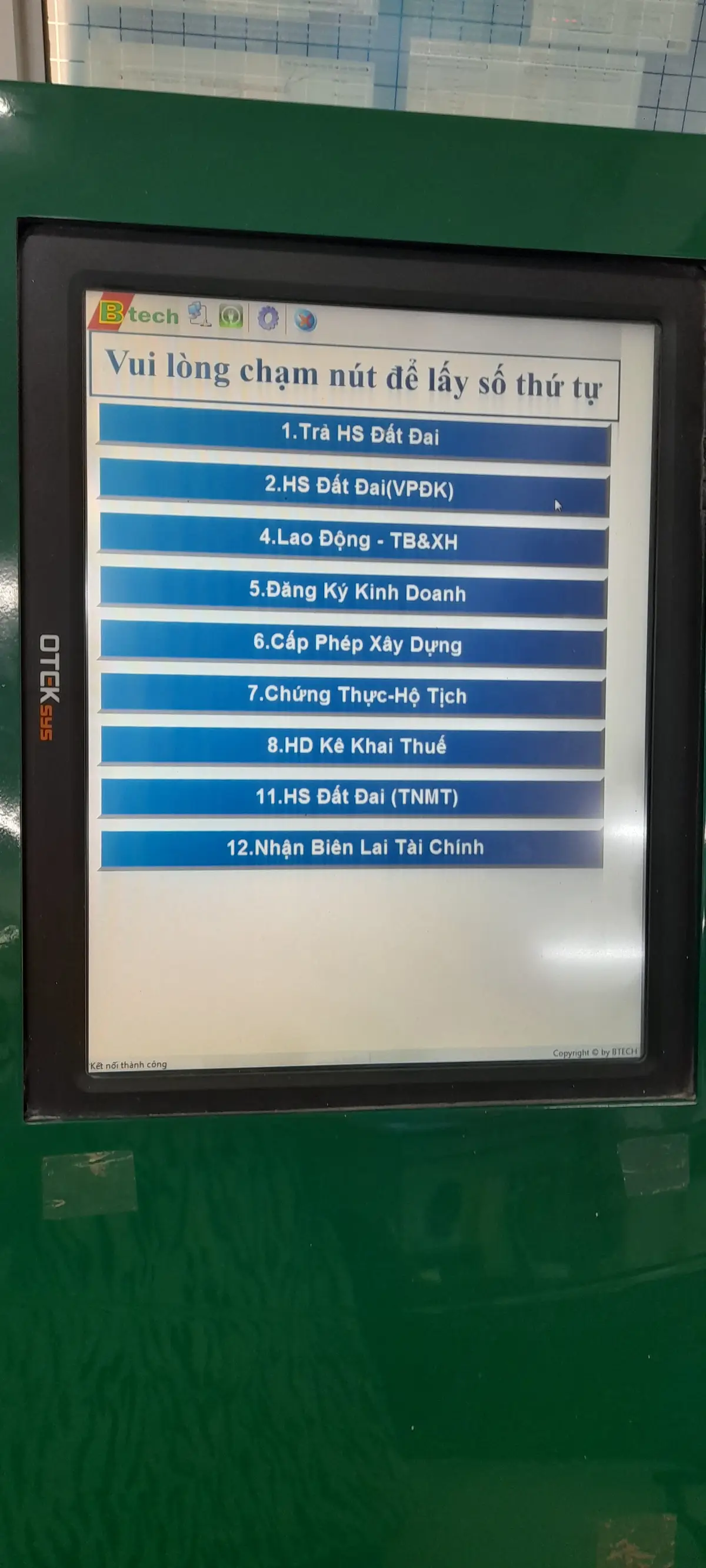
The Nha Trang Ward portal gives the ward’s address as 42 Le Thanh Ton Street and the telephone 02583.527.610.
The 60-day deadline and who registers
Within 60 days of the child’s birth, the father or mother is responsible for registering it. If the parents cannot, the responsibility passes to a grandparent, another close relative, or the individual or organisation caring for the child.
Under the new Law, the list of relatives is spelled out. It names paternal and maternal grandparents, a full sibling, a paternal or maternal uncle or aunt, or whoever is raising the child. The new rule applies from 1 March 2027.
Documents to bring
The person registering a birth submits a declaration in the prescribed form and the Birth Notification (Giấy chứng sinh) to the civil-status registration office. The Birth Notification or a document replacing it is required.
Where the person has already submitted an electronic Birth Notification, or the registry has obtained its digitally signed electronic data, no paper copy is needed. You also present identity documents as set out in the decree on civil-status registration.
If the parents have registered their marriage, the registry looks up the parents’ marital status in the electronic civil-status database and the national population database. It uses the marriage-certificate details given in your declaration.
If there is no Birth Notification
If there is no Birth Notification, submit a written statement of a witness confirming the birth. With no witness, a sworn statement about the birth is needed.
Copies and originals
Copies in the file must be issued from the original register or certified from the original. If you submit an uncertified copy, you must show the original for comparison. The same copy rule applies to every civil-status file, including the marriage certificate details the registry looks up.
Foreign papers: translation and legalisation
Papers in a foreign language used for civil-status registration in Vietnam must be translated into Vietnamese. The translation must be notarised, or the translator’s signature certified.
To be recognised and used in Vietnam, foreign documents must be consularly legalised, except in the cases in Article 9 of Decree 111/2011/NĐ-CP. The exemptions are:
- a treaty that Vietnam and the other country have both joined, or reciprocity
- papers transferred directly or through diplomatic channels between the competent authorities of the two countries
- papers that Vietnamese law exempts
- foreign papers whose authenticity a competent Vietnamese state agency can establish itself, so it does not require legalisation
Nationality: the parents’ agreement
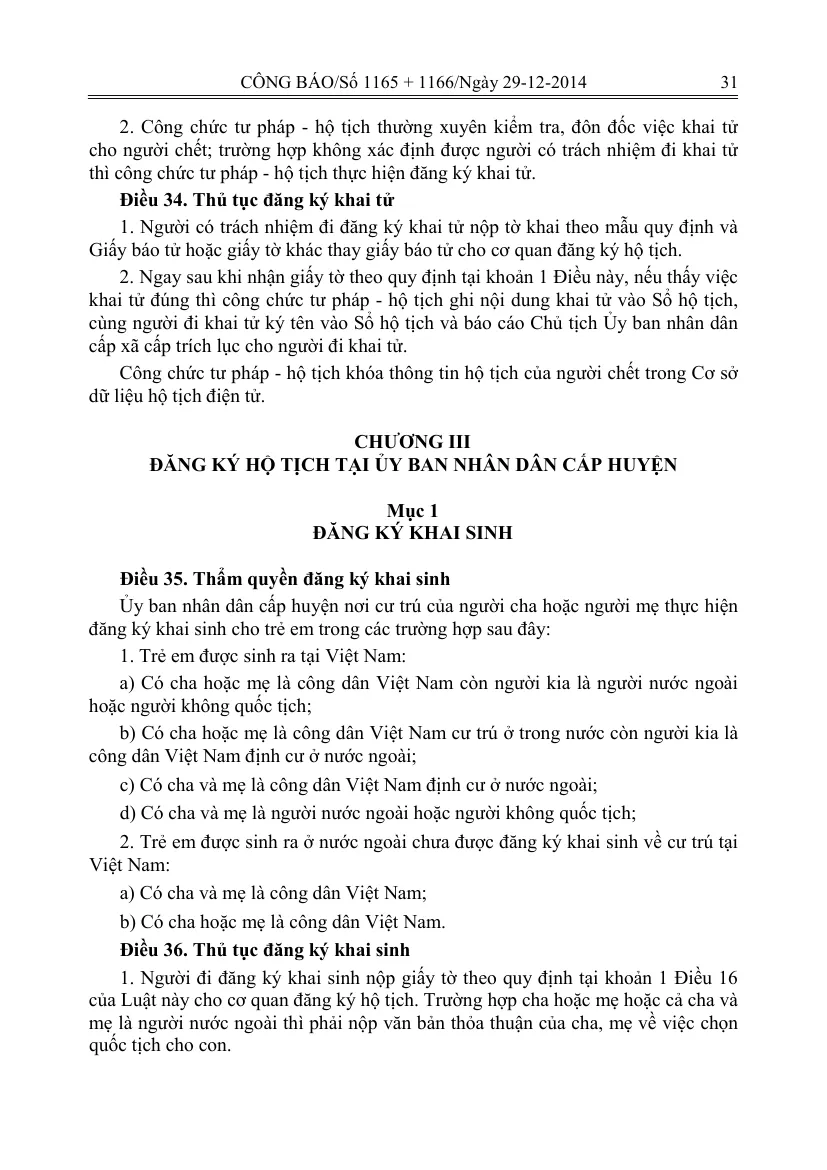
If one or both parents are foreign nationals, the parents also submit a written agreement on the child’s nationality. If the parents choose a foreign nationality, that agreement must be confirmed by the competent state authority of the foreign country of which the person is a citizen.
If one parent is a Vietnamese citizen
A child with one Vietnamese parent and a stateless parent has Vietnamese nationality. A child whose mother is a Vietnamese citizen and whose father is not identified also has it.
For a Vietnamese and a foreign parent, the child has Vietnamese nationality if the parents agree to choose it when registering the birth. If the child is born in Vietnam and the parents cannot agree, the child still has Vietnamese nationality. In that case, one parent writes a declaration that they could not agree, and takes responsibility for it.
If the child was already registered abroad with a foreign nationality, the parents may still choose Vietnamese nationality when the birth is recorded in Vietnam. Keeping the foreign nationality must be consistent with that country’s law, and the parents submit a declaration to that effect.
A child with both nationalities may have a combined name mixing a Vietnamese and a foreign name.
If both parents are foreign
The agreement on nationality is still part of the file. The nationality rules in this research cover a Vietnamese or stateless parent, so they do not say which nationality a child of two foreign parents holds.
If both parents are stateless
A child born in Vietnam to two stateless parents has Vietnamese nationality if the parents have a place of permanent residence in Vietnam. A child whose mother is stateless with permanent residence in Vietnam and whose father is not identified has it too.
A baby born abroad who now lives in Vietnam
The Law on Civil Status also covers a child born abroad who has not yet been registered and who resides in Vietnam. The case is covered when both parents are Vietnamese citizens, or when one parent is a Vietnamese citizen.
If the child already holds a foreign registration, the nationality rule in the section above applies when the birth is recorded in Vietnam. The parents then submit a declaration that keeping the foreign nationality is consistent with that country’s law.
Unmarried parents: recording the father
When the parents are not married, the father is recorded through a separate procedure, acknowledgement of a child. Khanh Hoa lists it on its own, and also lists birth registration combined with acknowledgement.
The Law gives Vietnamese authority over acknowledgement between two foreigners only where one or both have permanent residence in Vietnam. Two foreign parents on a visa or temporary residence card should check this with the ward before they file.
The father or mother files the declaration form with papers, objects or other evidence proving the relationship. A foreigner adds a copy of the passport or an equivalent document. The officer verifies the case and posts it for 7 consecutive days, within 15 days of receiving full papers. The parties must be present when it is registered.
These rules are in the current Law, and a new Law takes effect on 1 March 2027. A file received earlier continues under the rules in force when it was received.
What the birth certificate records
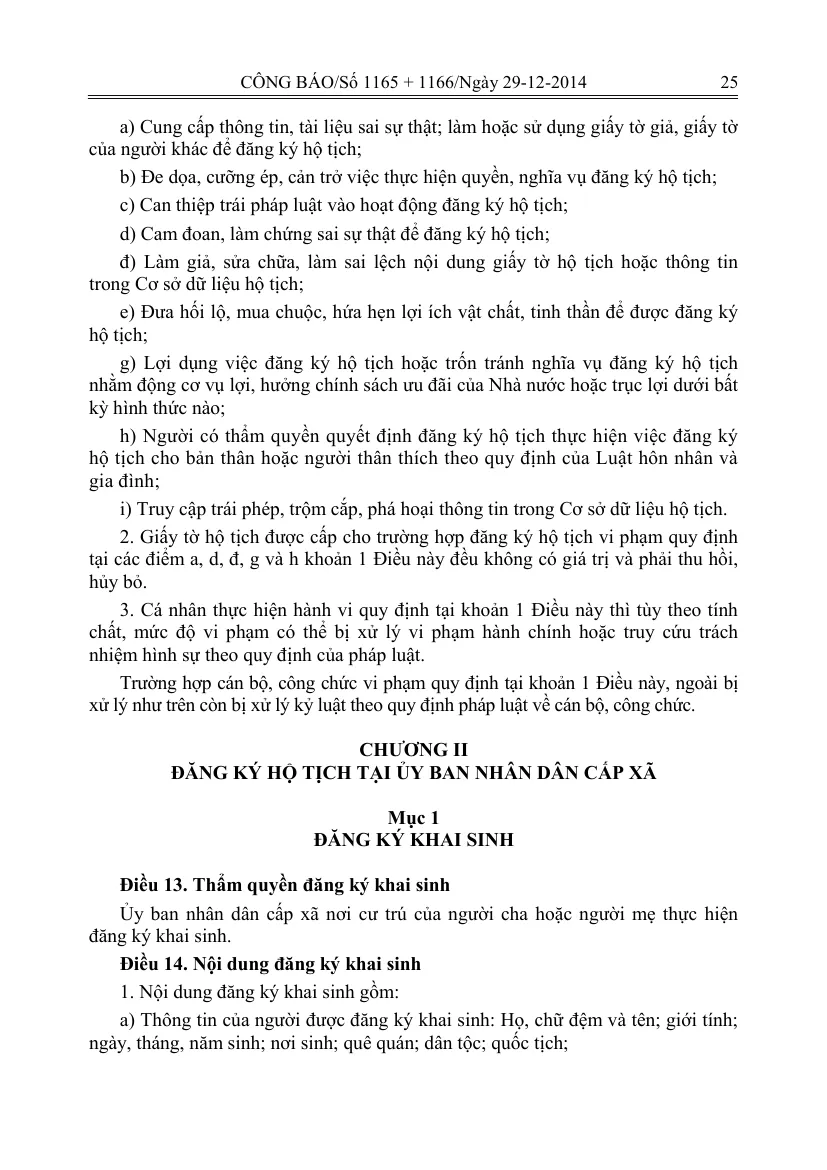
Birth registration records the child’s full name, sex, date of birth, place of birth, home village, ethnicity and nationality. It also records the parents’ full names, year of birth, ethnicity, nationality and place of residence. The child’s personal identification number is recorded too.
The basic content is entered in the civil-status register and the birth certificate, and updated in the electronic civil-status and national population databases. When the birth is recorded, the registrar updates those databases to obtain the personal identification number.
If the child holds a foreign nationality, the registry does not record the personal identification number item. Documents of the person that relate to birth information must match the birth registration.
Once the file is complete and consistent, the official records the birth in the register right away. The official and the person registering both sign it, and the birth certificate is issued.
A person registering a birth does not have to be present at the registration office to sign the civil-status register. Under the new Law, the chairperson cannot delegate signing of the birth certificate.
Fee: 0 VND online, in-person rate to confirm
The Khanh Hoa People’s Council resolution of 18 December 2025 sets the civil-status fee at 0 dong when the procedure is carried out through online public services. It is in force from 1 January 2026.
| How you file | Civil-status fee |
|---|---|
| Online public service in Khanh Hoa | 0 VND |
| In person at the ward | No official rate found |
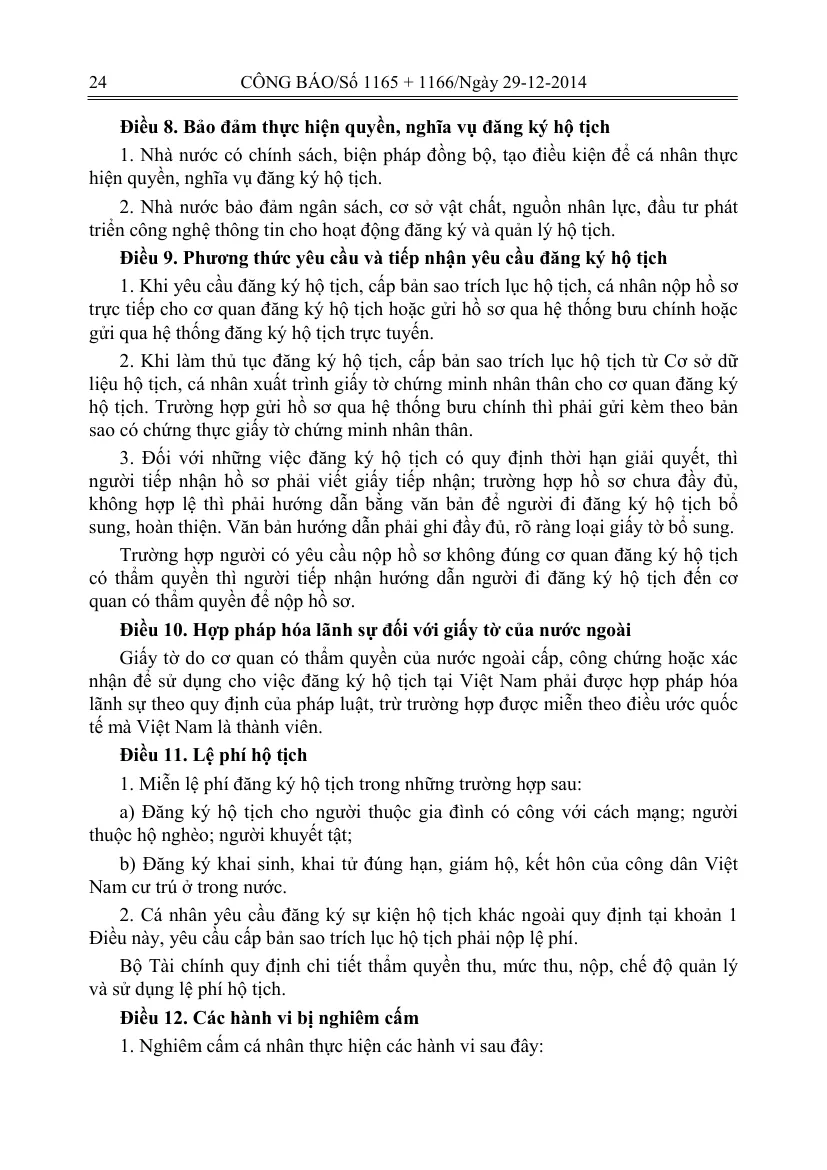
A person requesting a civil-status event that is not exempted must pay the civil-status fee. The fee is waived for people from families with revolutionary merit, people in poor households and people with disabilities. Registration of births on time for Vietnamese citizens residing in Vietnam is also on the waiver list.
The baby’s visa and passport
A visa is issued separately to each person. The exception is a child under 14 who shares a passport with a parent or guardian: that child is issued a visa along with the parent or guardian.
A visa for a child under 14 costs US$25, regardless of validity. A TT visa is issued to a foreigner who is the child of a Vietnamese citizen. A temporary residence card’s validity must be set at least 30 days shorter than the remaining validity of the holder’s passport.

For the immigration office, read Nha Trang Immigration Office. For fees, read Vietnam Immigration Fees.
What changes from 1 March 2027
A new Law on Civil Status takes effect on 1 March 2027, and the current one expires from that date. A file received earlier but not yet finished continues under the rules in force when it was received. Decree 120/2025/NĐ-CP also ceases to have effect on 1 March 2027, apart from the exceptions listed in its own clause. For a birth, the new text says:
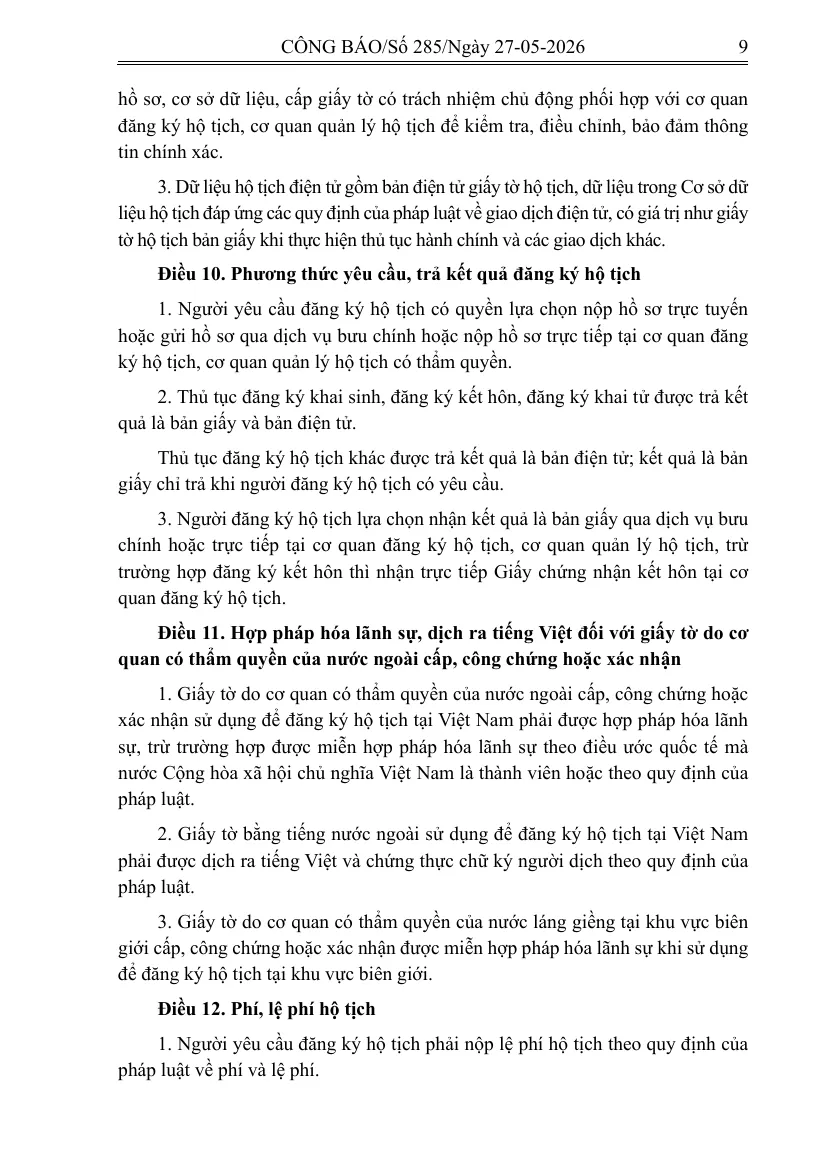
- The commune-level People’s Committee registers a birth in Vietnam, regardless of where the person lives. The current Law ties filing to where the father or mother lives.
- The father or mother is still responsible for registering the birth within 60 days.
- You may file online, by post or in person.
- Where the hospital’s data is linked to the civil-status system, the commune office registers the birth on its own initiative, at your choice. Nationwide coverage is due by 1 January 2031 at the latest.
- A child’s home village follows the father’s or mother’s by the parents’ agreement, or by custom if they cannot agree.
- Foreign-language papers need a Vietnamese translation with the translator’s signature certified, and foreign papers must be legalised unless exempt.
- Registration results are issued as a paper and an electronic copy.
- The child’s name, ethnicity and nationality are determined under civil law and Vietnamese nationality law.
- The Government sets the detailed rules.
Do not give false information
Giving false information or documents, or making or using forged documents or another person’s documents to register a civil-status event, is prohibited. Making a false sworn statement, or giving false witness, is prohibited too. Offering bribes, or promising material or moral benefits, to get a registration is also prohibited.
Civil-status papers issued for a registration that breaks these prohibitions have no value and are revoked and cancelled. A person who commits a prohibited act may face an administrative penalty or criminal liability, depending on the nature and seriousness.
Checklist before you go
- Birth Notification from the hospital, or a witness statement or sworn statement if there is none.
- The declaration form, filled in for the registry.
- The parents’ written agreement on the child’s nationality, if a parent is foreign.
- Marriage certificate details, if the parents have registered their marriage.
- Vietnamese translations of foreign-language papers.
- Identity documents for the person registering.
- The original of any paper you submit as an uncertified copy.
Read next
Related family paperwork: marriage registration in Nha Trang and bringing a pet to Vietnam via Cam Ranh. For a child’s stay, read Temporary residence registration in Nha Trang. For daily life with a baby, read Nha Trang with kids.
Photos and clips uploaded to Google Maps (People's Committee of Nha Trang Ward on Google Maps (opens in a new tab), Immigration Management Division, Khanh Hoa Provincial Police on Google Maps (opens in a new tab)) by @Tuấn Tử Tế GTO Event (Tuấn Tử Tế), @L C, @Khanh Dinh.
Step by step
- Register within 60 days of the birthThe father or mother is responsible for registering the birth within 60 days. If they cannot, a grandparent, another close relative, or whoever is raising the child is responsible.
- Get the Birth NotificationSubmit the declaration in the prescribed form and the Birth Notification. Where an electronic Birth Notification has reached the office, no paper copy is needed.
- Add the nationality agreement and translationsIf one or both parents are foreign, add the parents' written agreement on the child's nationality. Foreign-language papers need a Vietnamese translation, notarised or with the translator's signature certified.
- File at a ward People's CommitteeFile at the commune-level People's Committee. Khanh Hoa lists birth registration with a foreign element among procedures carried out regardless of administrative boundaries in the province.
- Get the birth recordedWhen the documents are complete and the information is consistent, the official records the birth in the register. The person registering and the official both sign it.
- Choose the online route for the feeThe civil-status fee is 0 dong for procedures carried out through online public services in Khanh Hoa. Ask the ward whether it accepts your file that way.
Not confirmed: The in-person civil-status fee at a Khanh Hoa ward for a birth with a foreign element was not found on an official page. Ask the ward. What nationality a child of two foreign parents holds, and how the parents' embassy issues a passport, depends on the parents' own country and was not researched.
Common questions
Where do foreign parents register a baby born in Nha Trang?
At the commune-level People's Committee, which in Nha Trang means a ward. The 2014 Law on Civil Status still names the district-level committee where the father or mother lives. Decree 120/2025/NĐ-CP moved the power to the commune level.
Can parents use any ward in Nha Trang?
Khanh Hoa lists birth registration with a foreign element among the procedures carried out regardless of administrative boundaries within the province. A person also has the right to choose the registration office of their place of residence.
How long do parents have to register the birth?
Within 60 days of the child's birth, the father or mother is responsible for registering it. If the parents cannot, a grandparent, another close relative, or whoever is raising the child is responsible.
Which documents are needed?
A declaration in the prescribed form and the Birth Notification from the hospital. If a parent is foreign, a written agreement on the child's nationality is added. Foreign-language papers need a Vietnamese translation.
What if there is no Birth Notification?
The person submits a written statement of a witness confirming the birth. With no witness, a sworn statement about the birth is needed.
Does the baby get Vietnamese nationality?
A child with a Vietnamese parent has Vietnamese nationality if the parents agree on it when registering, or if the child is born in Vietnam and they cannot agree. The rules found cover a Vietnamese or stateless parent, not two foreign parents.
How much does birth registration cost in Khanh Hoa?
The civil-status fee is 0 dong when the procedure is carried out through online public services in Khanh Hoa, under a resolution in force from 1 January 2026. The in-person rate was not found.
Do both parents have to be present to sign?
A person registering a birth does not have to be present at the registration office to sign the civil-status register.
Does the baby need a visa to stay?
A visa is issued separately to each person. The exception is a child under 14 who shares a passport with a parent or guardian: that child is issued a visa along with the parent or guardian. A visa for a child under 14 costs US$25.
What changes when the new Law on Civil Status takes effect?
A new Law on Civil Status takes effect on 1 March 2027. The ward registers a birth in Vietnam regardless of where the applicant lives, and parents still register within 60 days.
Read next
- Nha Trang Immigration Office: Address, Hours, ProceduresVerified
- Vietnam Immigration Fees: Visa, E-Visa, Extension and Residence CardVerified
- Marriage Registration in Nha Trang: Ward Office, Documents and Fee for Foreigners (2026)Verified
- Bringing a Dog or Cat to Vietnam via Cam Ranh: Papers, Fees and Quarantine (2026)Verified
General information checked against the sources listed above, not legal advice for your situation. Rules and office practice change; confirm with the immigration office or a licensed adviser before you act. See how guides are checked.
Spotted an error? Report it.