Temporary residence registration in Nha Trang for foreigners
The accommodation, not you, declares your stay to the ward police, online or on paper, and the online declaration is due the moment you arrive. A paper form is due within 12 hours. Hand over your passport and residence papers so the declaration can be made.
On this page
- Which case are you?
- Who files and when
- Where it is filed
- Which ward police
- Proof that you were declared
- What it costs
- Steps for a renter
- What to ask your landlord
- If you move or change passport
- Carry your papers
- Fines
- If police check and you are not registered
- How this differs from an extension and a residence card
- Related guides
- Step by step
- Common questions
The legal duty sits with the accommodation. Under the Law on Entry, Exit, Transit and Residence of Foreigners, you declare temporary residence through the person who runs the accommodation.
Người nước ngoài tạm trú tại Việt Nam phải thông qua người trực tiếp quản lý, điều hành hoạt động của cơ sở lưu trú để khai báo tạm trú với Công an xã, phường, đặc khu hoặc đồn, trạm Công an nơi có cơ sở lưu trú.
A foreigner staying temporarily in Vietnam must declare temporary residence through the person who directly manages the accommodation, to the commune, ward or special-zone police, or a police post or station, where the accommodation is located.
Cơ sở lưu trú có trách nhiệm yêu cầu người nước ngoài xuất trình hộ chiếu hoặc giấy tờ có giá trị đi lại quốc tế, giấy tờ liên quan đến cư trú tại Việt Nam để thực hiện khai báo tạm trú trước khi đồng ý cho người nước ngoài tạm trú.
The accommodation is responsible for asking the foreigner to present a passport or international travel document and residence-related papers, to make the declaration, before agreeing to let the foreigner stay.
Consolidated Law on Entry, Exit and Residence of Foreigners, Điều 33 khoản 1
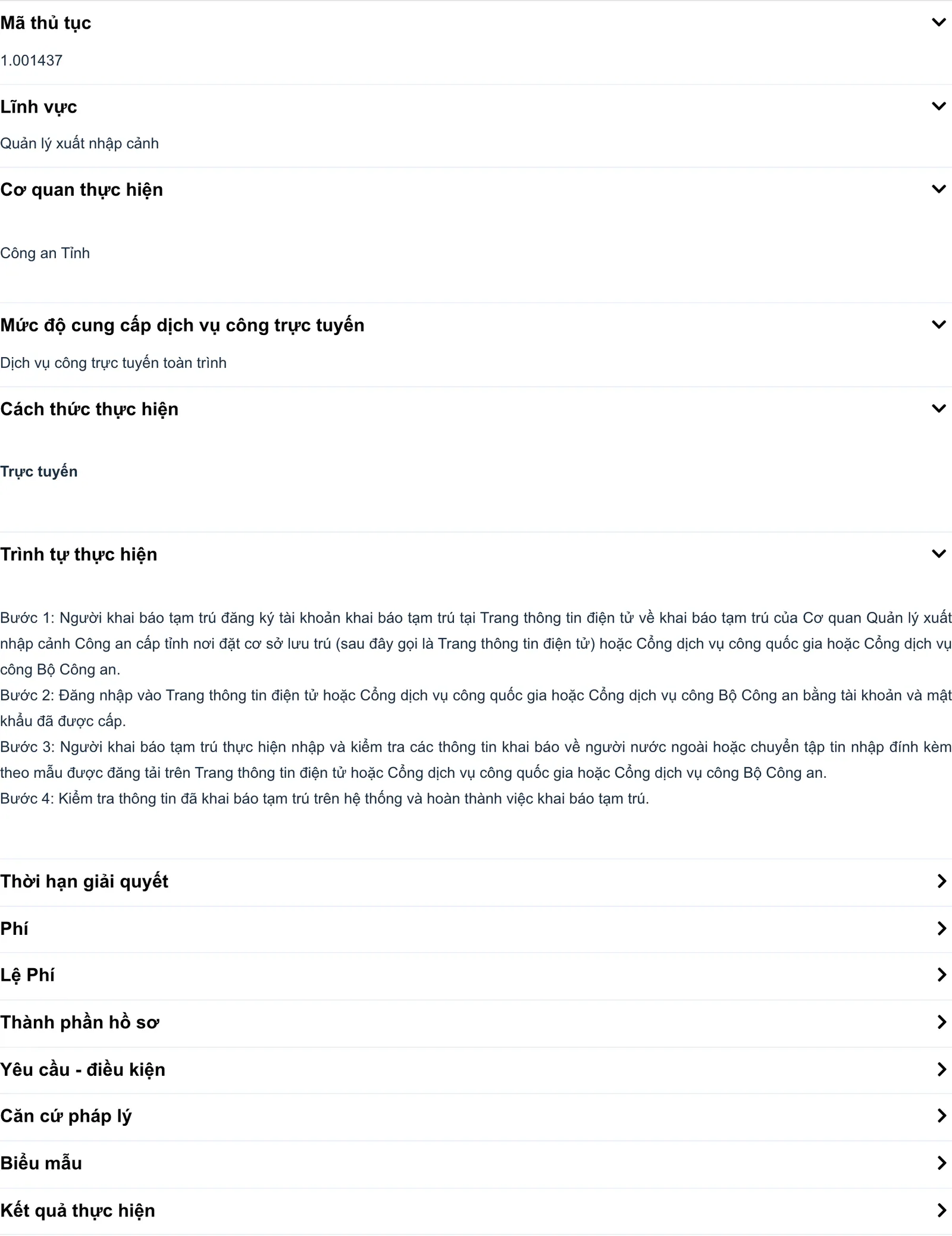
Which case are you?
- You are checking in at a hotel or guesthouse: show your passport or international travel document and your residence papers. The accommodation asks for them before it agrees to let you stay, and it files the declaration, not you.
- You are renting an apartment or house: the landlord is the accommodation and files the declaration. You show your passport and residence papers.
- You want to know how fast it must be filed: online, as soon as you arrive. On paper, the form goes to the police straight away, and is delivered within 12 hours. This deadline is the accommodation’s, not yours.
- You are moving to a new place or your passport details change: the declaration is filed again through the accommodation.
- You are staying with a host who does not declare you: an accommodation that skips the declaration for 1 to 3 foreigners is fined VND 3,000,000 to 5,000,000. You face the same clause only if you did not hand over your papers.
- You want to stay longer in Vietnam: this declaration is not an extension. Your sponsor files that.
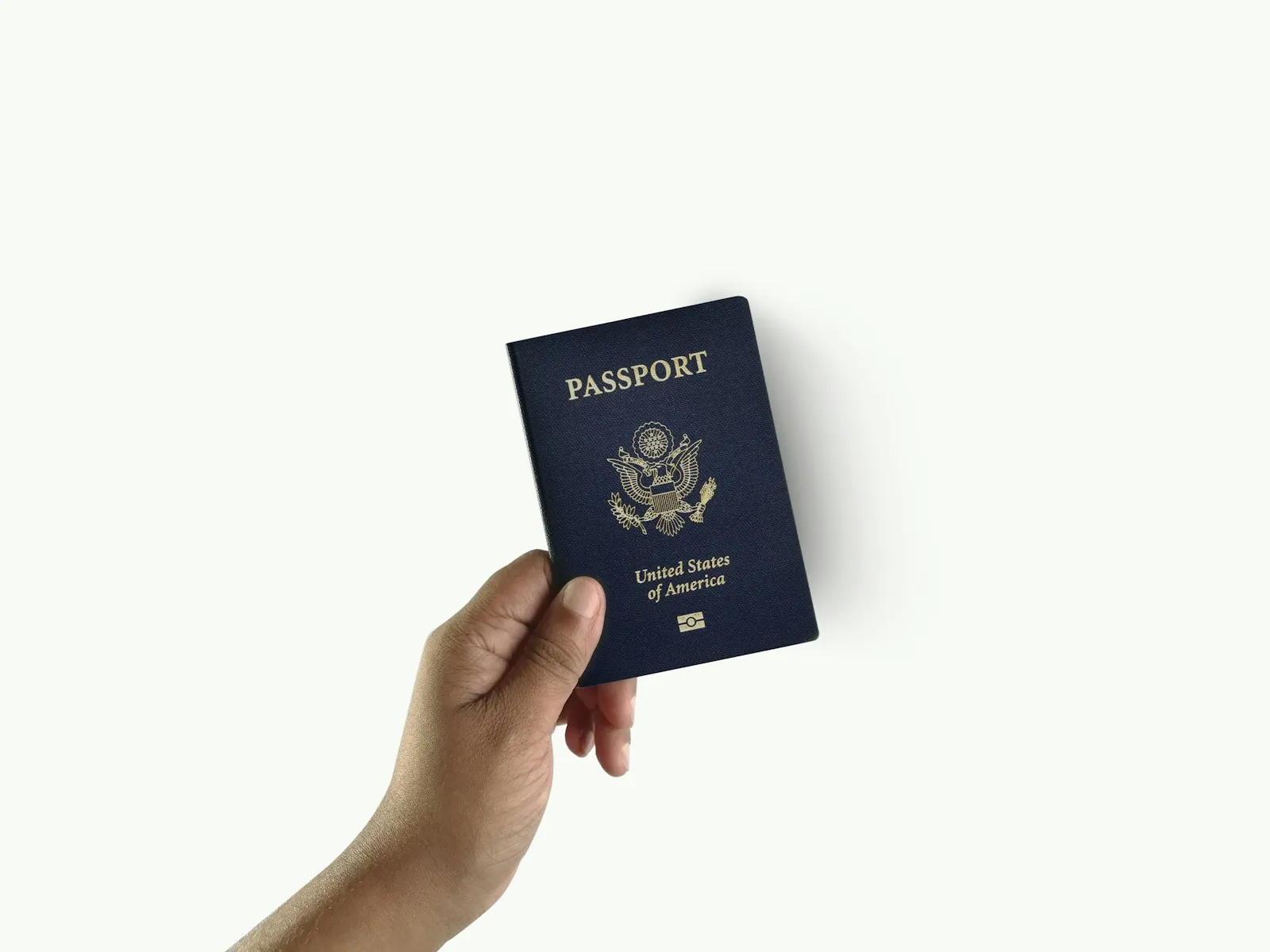
Who files and when
The person who files is the accommodation’s owner, its legal representative or someone it has authorised, not you. For an electronic declaration, the filing must happen as soon as you arrive at the accommodation.
The deadline for a paper form is 12 hours after you arrive, or 24 hours in remote and mountainous areas. The form is Form NA17. The form is also sent straight away to the commune-level police by a suitable means of communication, before it is delivered within that deadline.
Where it is filed
- Online: the national procedure is a fully online public service.
- Account: the person filing registers on the provincial police’s declaration website, the National Public Service Portal or the Ministry of Public Security Public Service Portal.
- Paper: the form goes to the commune-level police, and the police return the confirmed form to the person who filed it.
- Receiving: commune-level police accept electronic declarations 24 hours a day, 7 days a week.
The Khanh Hoa police list the executing body for this service as the commune-level police (Công an cấp xã). In a ward such as those of Nha Trang, the police are the ward police where the accommodation is located.
The online route is the national procedure with code 1.001437. Its stated processing window is 24 hours, seven days a week. Circular 87/2026/TT-BCA takes effect on 24 July 2026 and replaces Circular 53/2016/TT-BCA. The national page still lists Circular 53/2016/TT-BCA as a legal basis.
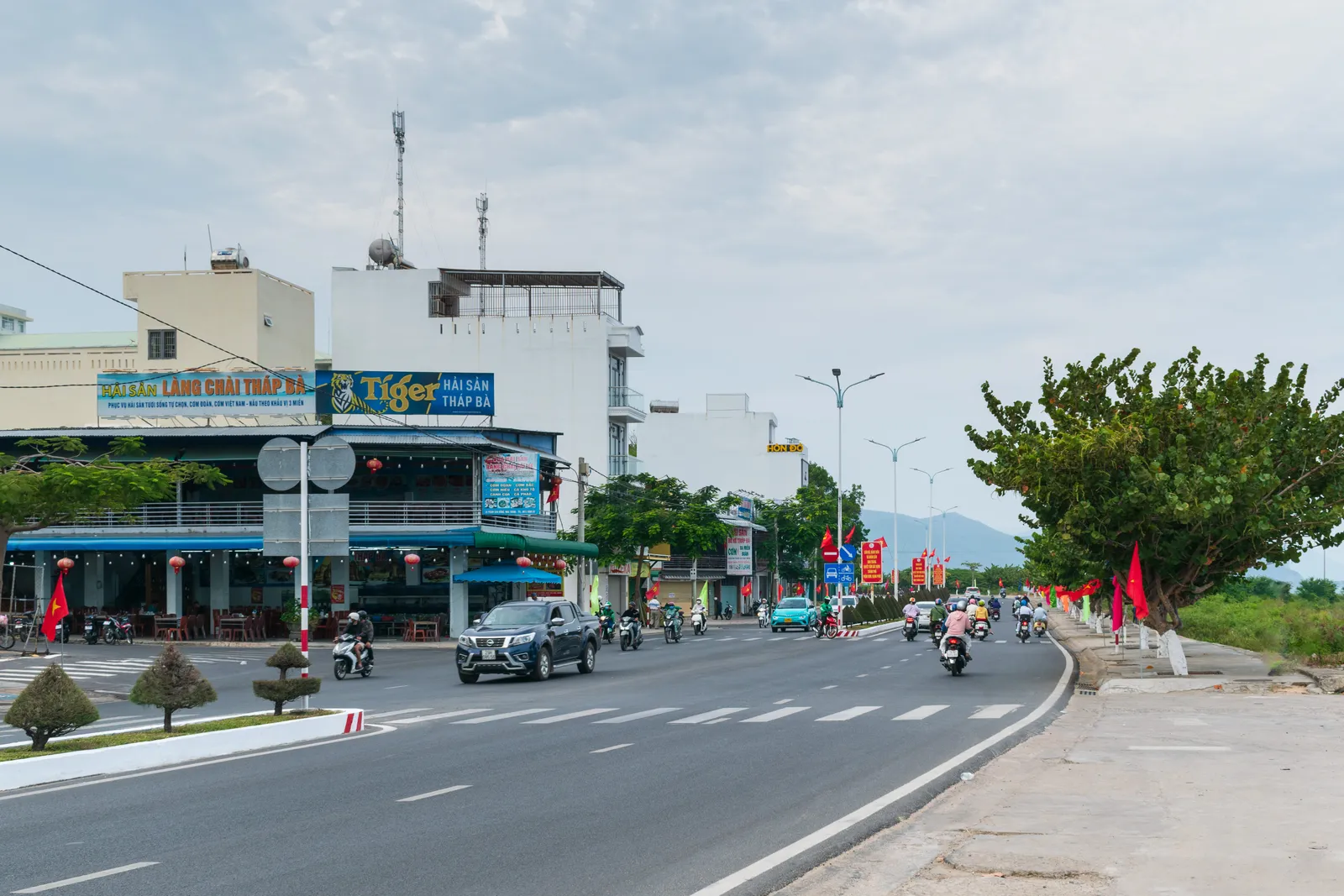
Which ward police
Resolution 1667/NQ-UBTVQH15 merged the old Nha Trang wards into new ones. Van Thanh, Loc Tho, Vinh Nguyen, Tan Tien and Phuoc Hoa form Nha Trang Ward. Vinh Hoa, Vinh Hai, Vinh Phuoc and Vinh Tho join two communes as Bac Nha Trang Ward.
Ngoc Hiep and Phuong Sai join four communes as Tay Nha Trang Ward. Phuoc Hai, Phuoc Long and Vinh Truong join two communes as Nam Nha Trang Ward. The declaration goes to the police of the ward where the accommodation stands.
Proof that you were declared
On a paper filing, the police check the form, ask for anything missing, confirm it and keep a copy. They hand the confirmed form straight back to the person who filed it. That person is the accommodation’s owner, its legal representative or an authorised person, not you.

So the proof sits with the accommodation. Ask your landlord for a photo of the confirmed form. For an online filing, ask when it was made, because it must be filed as soon as you arrive. The police system accepts it around the clock.
Signs of a compliant landlord:
- Asks to see your passport and residence papers before you move in.
- Files electronically, or fills in Form NA17 completely.
- Sends a paper form to the police straight away, then delivers it within 12 hours.
If a landlord says no filing is needed, remember that you cannot file for yourself: the declaration is the accommodation’s job.
What it costs
The national procedure page lists the fee and the charge as none. The page lists the processing time as “24 giờ/07 ngày”. Its meaning is not stated, so ask the accommodation when it will file.
Steps for a renter
- Hand the accommodation your passport or international travel document and your residence papers. The accommodation is responsible for asking you for them to make the declaration, before it agrees to let you stay.
- Let the owner, legal representative or authorised person file the declaration.
- Ask whether it was filed online, which must happen as soon as you arrive, or on paper, within 12 hours.
- For a paper filing on Form NA17, ask for the confirmed form: the police check it, confirm it, keep a copy and hand it back to the person who filed.
What to ask your landlord
- Who will file the declaration: the owner, the legal representative or an authorised person.
- Whether they file online or on a paper form.
- Whether they have asked for your passport and residence papers before you move in.
- For a paper Form NA17, whether it has been delivered within 12 hours of your arrival.

If you move or change passport
A foreigner who changes their place of temporary residence must declare it again the same way. The same applies if they stay somewhere other than the address on their permanent residence card, or if their passport information changes.
Carry your papers
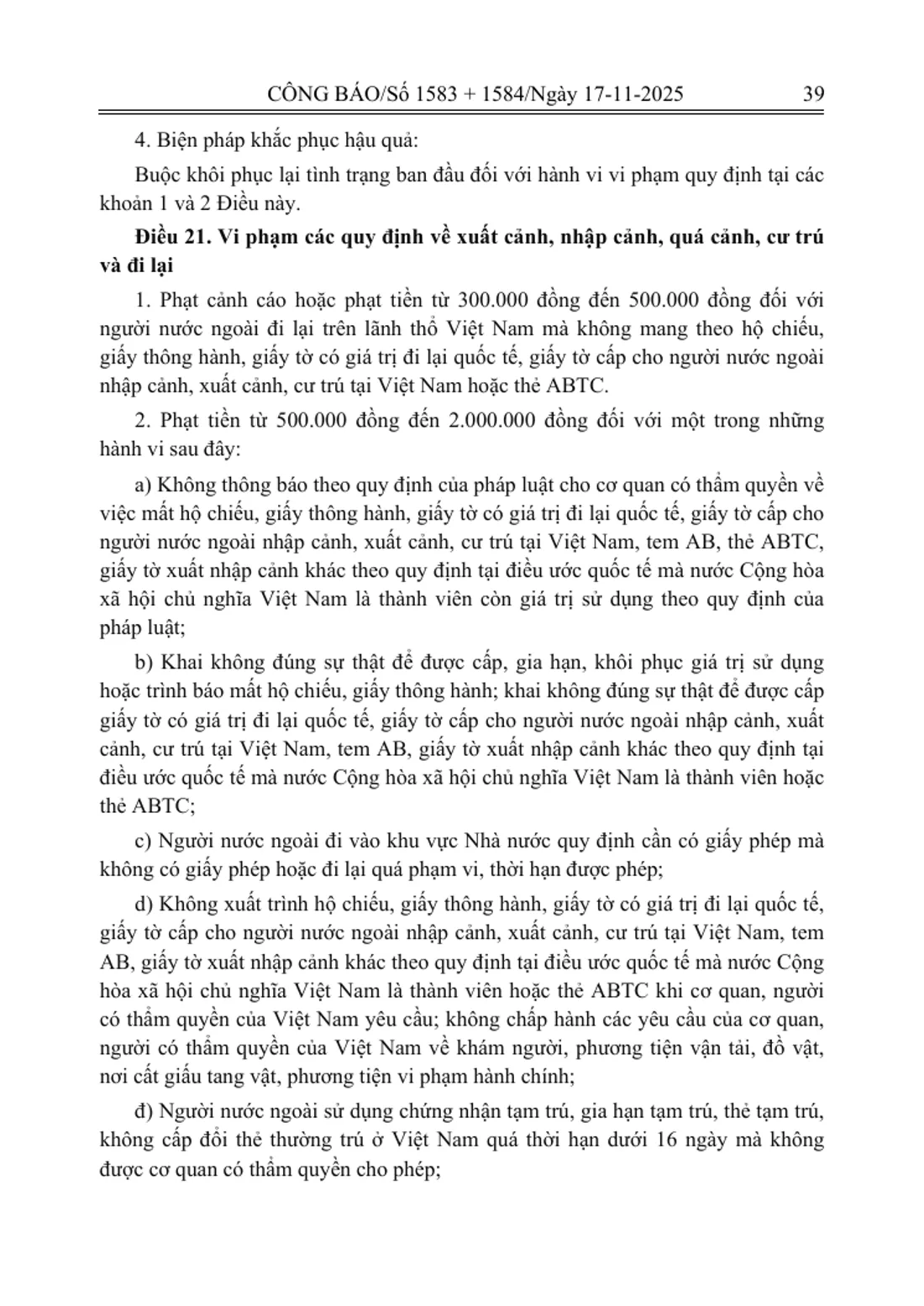
A foreigner moving around Vietnam must carry a passport or international travel document and residence papers, and must present them when an authority asks. Walking around without them is warned or fined VND 300,000 to 500,000. Not presenting them when asked is fined VND 500,000 to 2,000,000.
Fines
Decree 282/2025/NĐ-CP took effect on 15 December 2025 and replaces Decree 144/2021/NĐ-CP. The fines fall on the accommodation:
- 4 to 8 foreigners not declared: VND 10,000,000 to 15,000,000.
- 9 or more foreigners not declared: VND 15,000,000 to 20,000,000.
The foreigner’s own listed violation is not presenting a passport or international travel document, or residence papers, to the accommodation for the declaration. That clause sets VND 3,000,000 to 5,000,000 for one of its listed acts, and this is one of them.
Whoever lets a foreigner stay while the foreigner resides unlawfully, or sees signs of a violation and does not report it, is fined VND 20,000,000 to 25,000,000. A fined person pays within 10 days of receiving the decision.
If police check and you are not registered
A foreigner must present a passport or international travel document and residence papers when an authority asks. Who is fined depends on what failed.
| Situation | Who is fined | Fine (VND) |
|---|---|---|
| Accommodation did not declare you (1 to 3 foreigners) | The accommodation | 3,000,000 to 5,000,000 |
| Accommodation did not declare you (4 to 8 foreigners) | The accommodation | 10,000,000 to 15,000,000 |
| You did not hand your papers to the accommodation | You | Same clause as the 1 to 3 guest band |
| You did not present your papers when an officer asked | You | 500,000 to 2,000,000 |
| You were not carrying your papers | You | 300,000 to 500,000, or a warning |
An organisation found responsible is fined at double the individual rate. Since 1 July 2025, a penalty can be issued without a written record only for a warning or a fine up to VND 500,000 for an individual. In those cases the officer issues the decision on the spot. Whoever collects the fine must give you a payment document.
How this differs from an extension and a residence card
The declaration is not an extension of stay. An extension is a separate procedure that your inviting or sponsoring organisation or individual files with the immigration authority. See extend a visa in Nha Trang and Vietnam immigration fees.
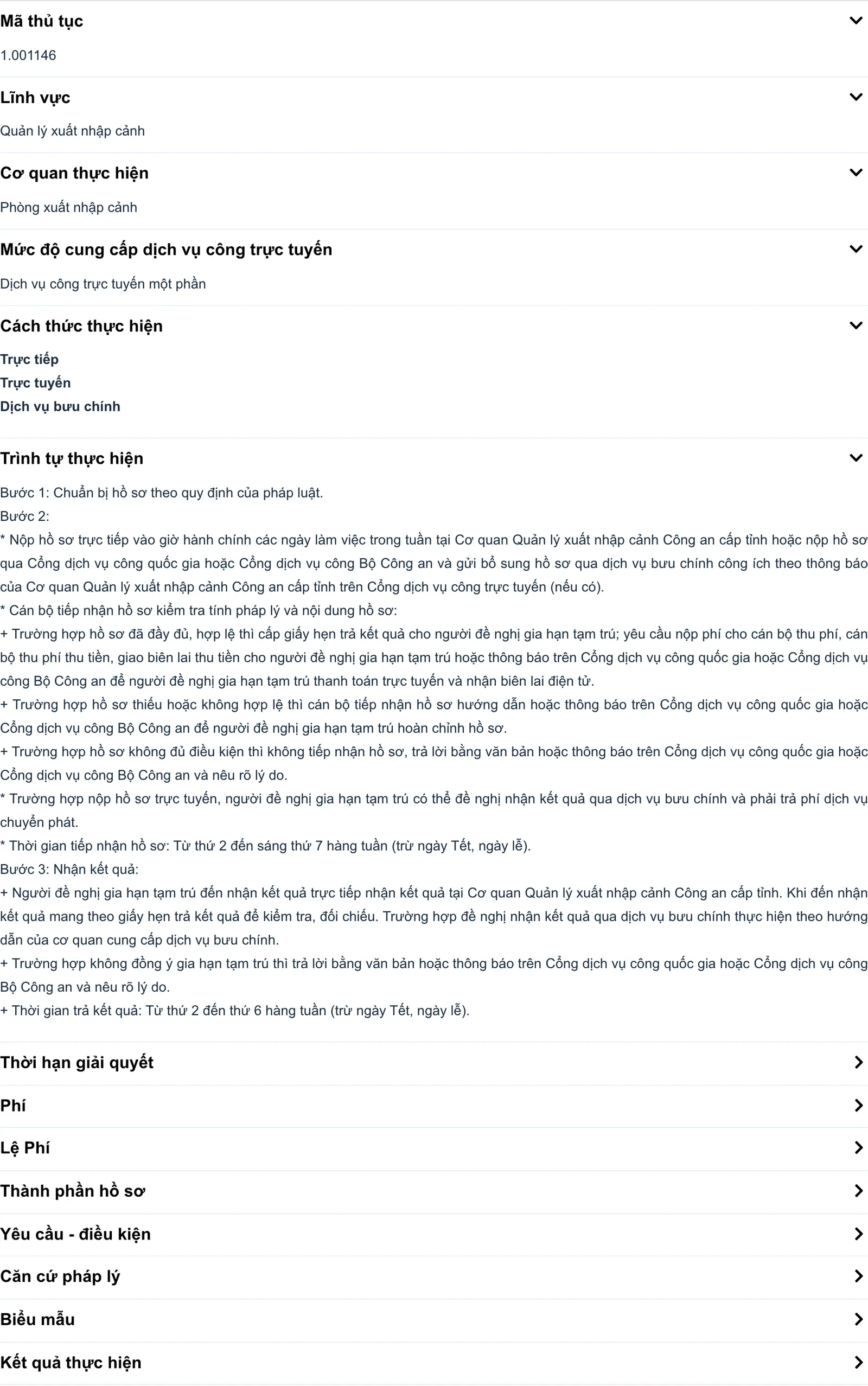
It is also not a temporary residence card. A card is issued by the immigration authority to a foreigner permitted to reside in Vietnam for a fixed period, and it is valid in place of a visa. The card procedure has a statutory processing time of 5 working days from a complete dossier.
Related guides
- Extending your stay: extend a visa in Nha Trang.
- Offices: Nha Trang immigration office.
- Longer stays: temporary residence card.
- More: visa hub.
Photos and clips uploaded to Google Maps (Khanh Hoa Public Administration Service Center on Google Maps (opens in a new tab)) by @Cat Fox.
Step by step
- Show your documentsGive the accommodation your passport or international travel document and residence papers before you stay.
- The accommodation declaresThe owner, legal representative or authorised person files online or on paper.
- Check the filingAsk when and how it was filed: online at once, or a paper form within 12 hours.
Not confirmed: The portal lists the online processing time as "24 giờ/07 ngày"; its meaning is not stated. Ask the accommodation when it will file, which ward police station it uses, and what proof of filing you will get.
Common questions
Do I register myself when I rent a room in Nha Trang?
No. The person who files is the accommodation's owner, its legal representative or someone it has authorised. You show your passport and residence papers.
Does registering temporary residence cost anything?
The national procedure page lists the fee and the charge as none.
Can the declaration be made online?
Yes. The procedure is a fully online public service, and commune-level police accept online declarations around the clock, seven days a week.
How fast must a paper form reach the police?
Within 12 hours of your arrival, or 24 hours in remote and mountainous areas.
Who gets fined if no one declares my stay?
Decree 282/2025/NĐ-CP fines the accommodation: VND 10,000,000 to 15,000,000 for 4 to 8 foreigners. Your own listed violation is not handing over your passport or residence papers.
Which police station handles it in Nha Trang?
The Khanh Hoa police list the executing body as the commune-level police (Công an cấp xã). The accommodation files with the police where it is located.
What if I move to another place in Nha Trang?
A foreigner who changes their place of temporary residence must declare it again the same way.
Which rule governs the declaration now?
Circular 87/2026/TT-BCA takes effect on 24 July 2026 and replaces Circular 53/2016/TT-BCA.
Do I need to carry my passport around Nha Trang?
A foreigner moving around Vietnam must carry a passport or international travel document and residence papers, and show them when asked. Not showing them when asked is fined VND 500,000 to 2,000,000.
Read next
General information checked against the sources listed above, not legal advice for your situation. Rules and office practice change; confirm with the immigration office or a licensed adviser before you act. See how guides are checked.
Spotted an error? Report it.