Buying an Apartment in Nha Trang as a Foreigner (2026)
A foreign individual permitted to enter Vietnam may own an apartment, but only in a project the province has announced as open to foreign owners. Foreign owners together may hold at most 30% of a building, and ownership lasts up to 50 years, with one extension.
On this page
- Who qualifies, and what the law caps
- Which Nha Trang projects are open to foreigners
- What Khanh Hoa did when towers sold without a notice
- Two Nha Trang towers you will see in listings
- What apartments cost in Nha Trang
- Costs on top of the price
- What protects your deposit
- Check the project and the developer before you pay
- Notary and contract
- The rules behind it
- Planned changes to the Law on Housing
- Step by step
- Common questions
Foreign buyers can own an apartment in Nha Trang only inside a project the province has announced as open to foreign owners. Check the building’s foreign quota first, meaning how much of the 30% cap is still unused. In Khanh Hoa, the only announcement found is a July 2020 notice for one project.
Who qualifies, and what the law caps
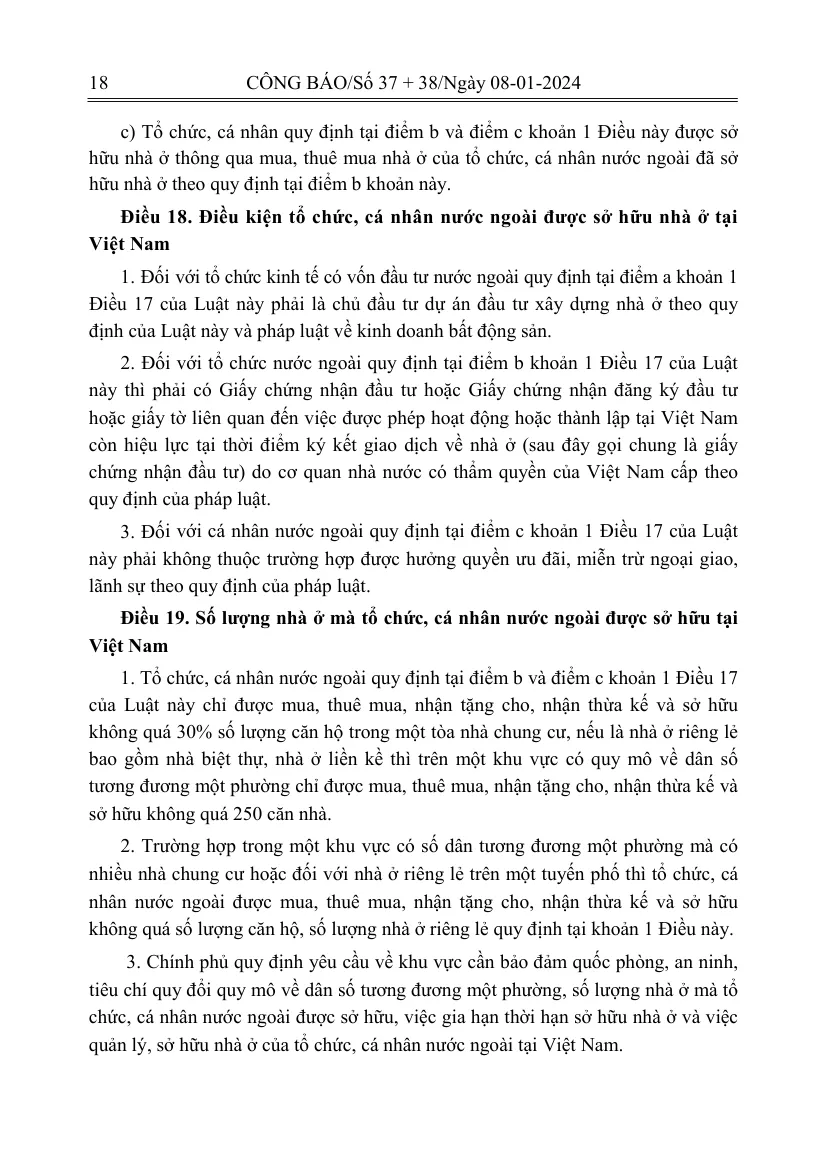
A foreign individual permitted to enter Vietnam is among those eligible to own housing here. The person must not fall under a case entitled to diplomatic or consular privileges or immunities. At the transaction you show a valid passport carrying a Vietnam entry stamp, or an equivalent legal entry document.
Four checks decide whether a unit is open to you:
- You are a foreign individual permitted to enter Vietnam, with no diplomatic or consular immunity.
- The project is on the province’s published list, and foreign owners together hold at most 30% of the building.
- Ownership lasts up to 50 years, with one extension.
- Payment goes through a bank operating in Vietnam; see sending money to Vietnam.
Which Nha Trang projects are open to foreigners
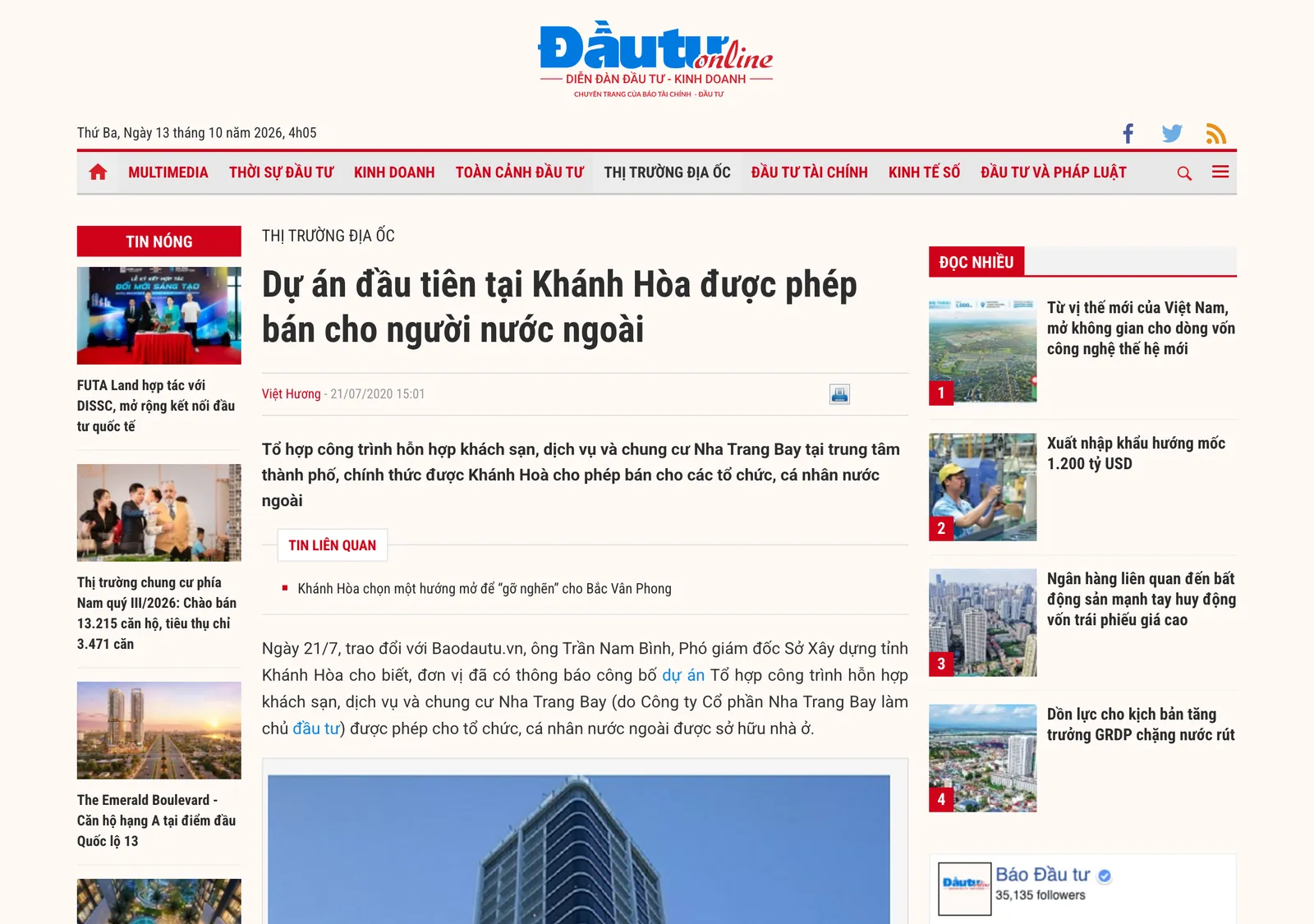
The provincial People’s Committee decides which projects qualify and announces the list on its web portal. It also sends the list to the provincial housing management agency, which posts it on its own portal.
In July 2020 the Khanh Hoa Department of Construction named Nha Trang Bay as the first commercial housing project in Khanh Hoa open to foreign owners. The complex is at 25-26 Pham Van Dong Street. It was announced in Notice No. 1967 after the Ministry of National Defence, the Ministry of Public Security and the provincial police agreed.
The project has 704 apartments, of which foreigners may own at most 30%, or 211. The Department told developers to report each contract signed with a foreigner on the same day. It added that foreigners are strictly forbidden to buy housing to resell for profit.
No current Khanh Hoa list turned up on the Department of Construction’s portal on 13 October 2026. Do not assume a tower qualifies because it appears in listings or on a broker’s page. Ask the developer for the notice that names the project, then check the notice date.
Where only part of a project falls outside the defence and security areas, the province marks the part where foreigners may own. Projects inside those areas are closed to foreign owners.
What Khanh Hoa did when towers sold without a notice
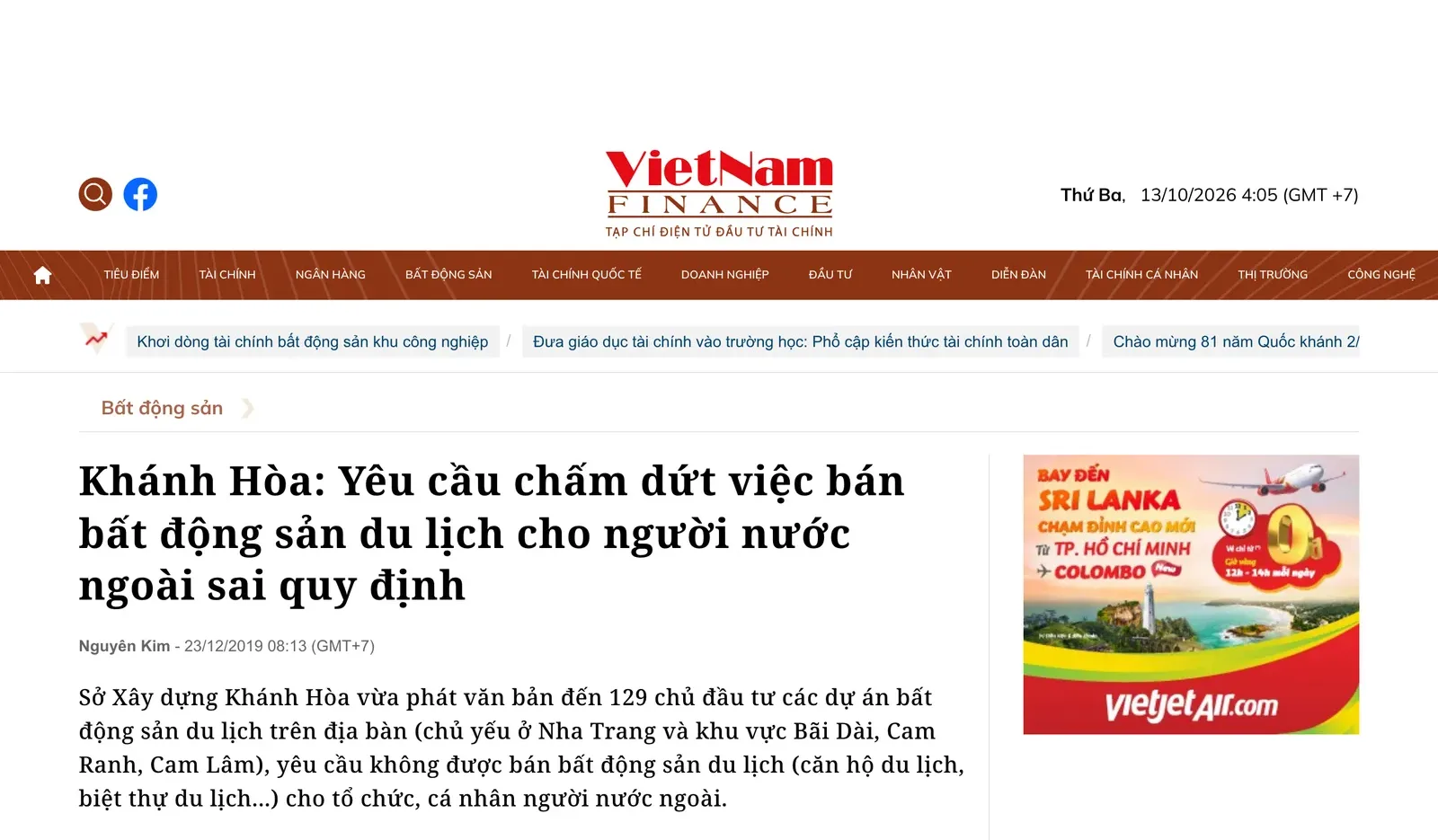
The reports below show what happens when a developer sells first and asks later. The Department found that Cat Tiger Khareal had sold 20 apartments in Napoleon Castle 1 and Thanh Yen JSC had sold 45 apartments in Gold Coast to foreigners. It told the developers to wind up the contracts at once and recover the apartments.
In a letter reported on 1 November 2019 the Department wrote that those projects had not been announced by the competent authorities as areas where foreigners may own housing. It had also told the developer of the Bac Vinh Hai social housing project that foreigners may not buy or hire-purchase apartments there.
In December 2019 it wrote to 129 developers of tourism real estate, mainly in Nha Trang, Bai Dai, Cam Ranh and Cam Lam. It asked them not to sell tourist apartments and tourist villas to foreigners. Its deputy director said tourism real estate is not housing and is not governed by the 2014 Law on Housing.
These reports are several years old and come from the earlier Law on Housing. The current rules are in the sections below, and the lesson is the same. Get the announcement in writing before you pay.
Two Nha Trang towers you will see in listings
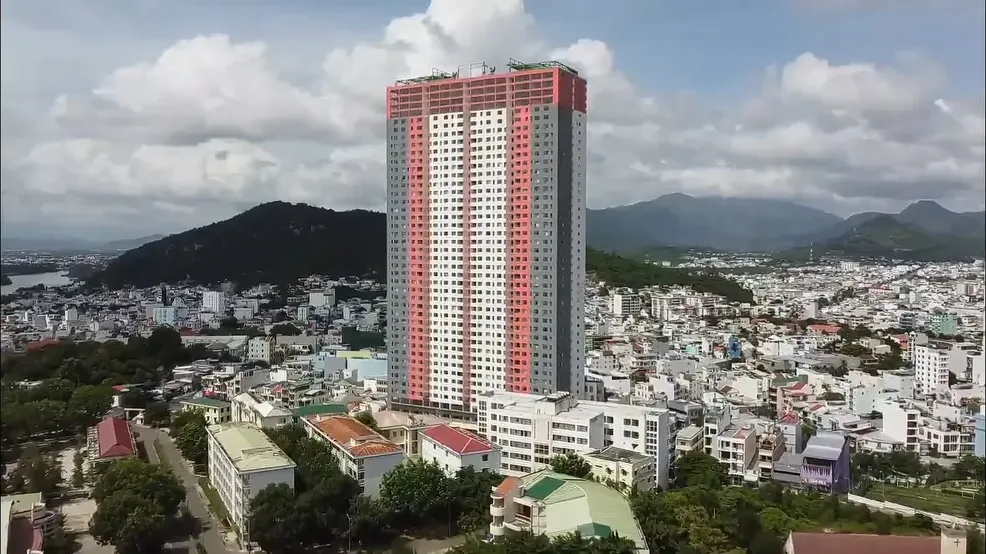
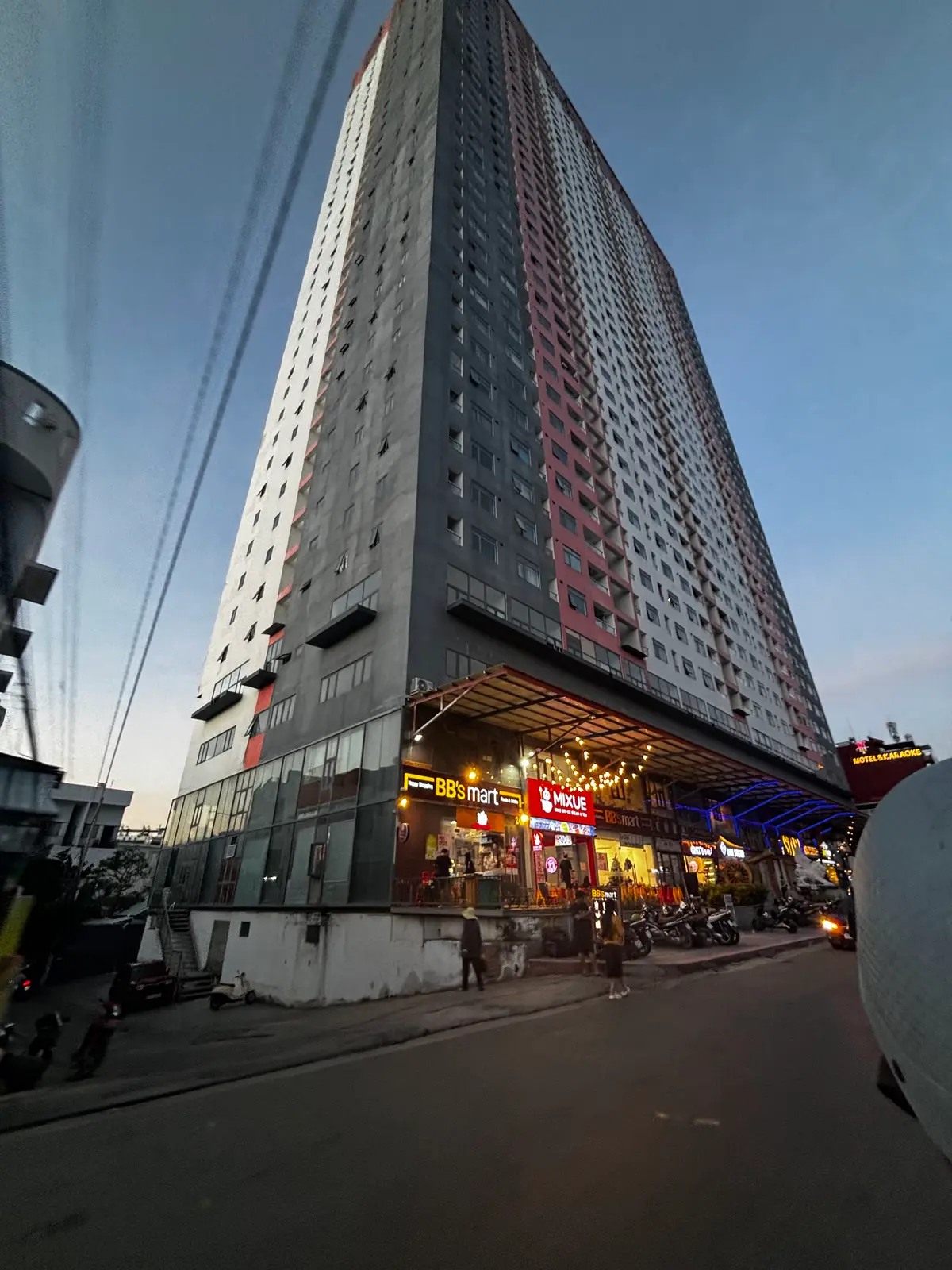
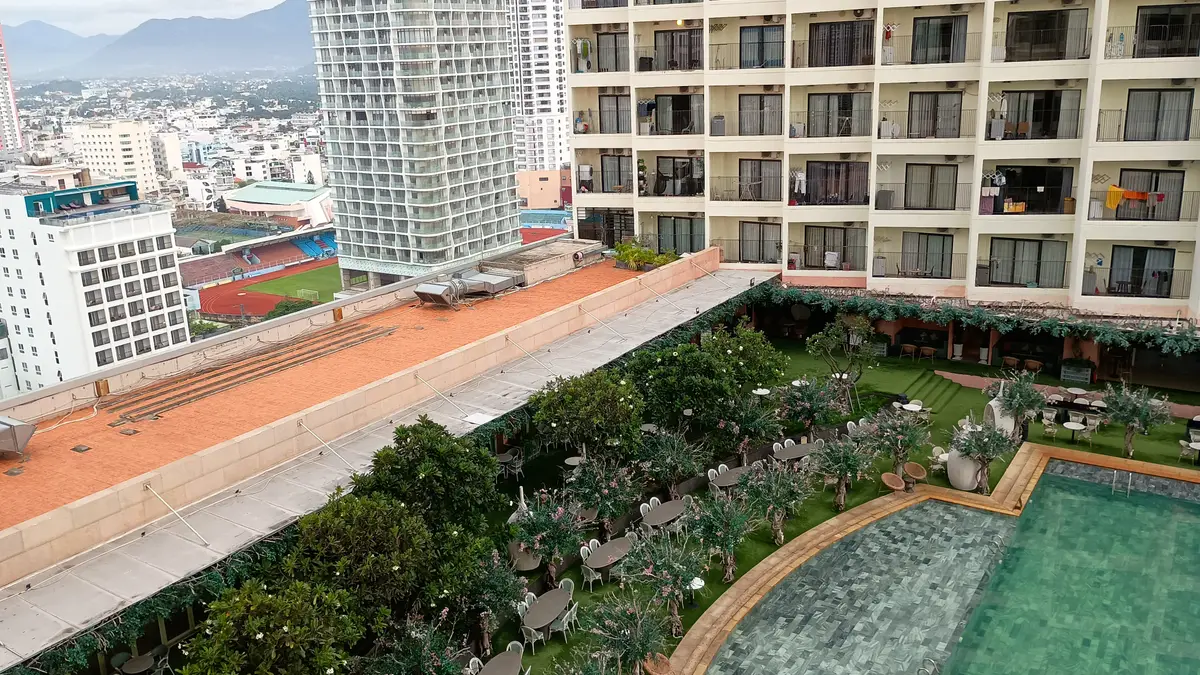
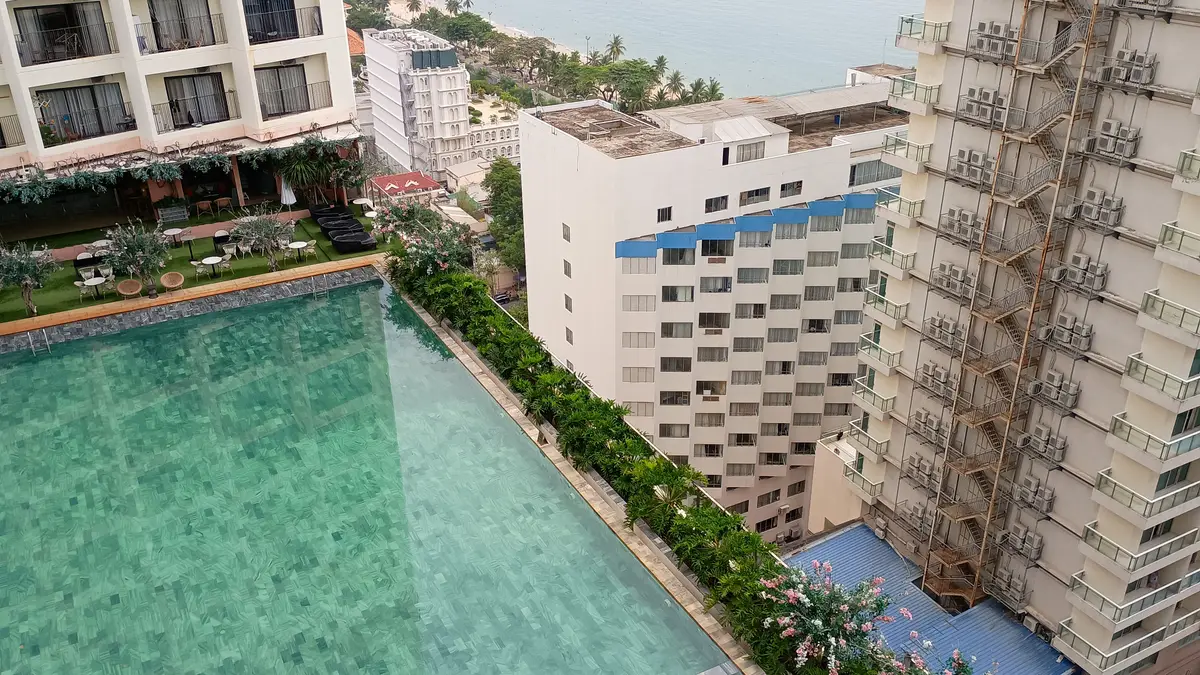
Napoleon Castle is at 25 Nguyen Dinh Chieu Street, Bac Nha Trang. Gold Coast is at 01 Tran Hung Dao Street. Both appear in the Department’s reports above. Check for a current notice before you rely on either.
What apartments cost in Nha Trang
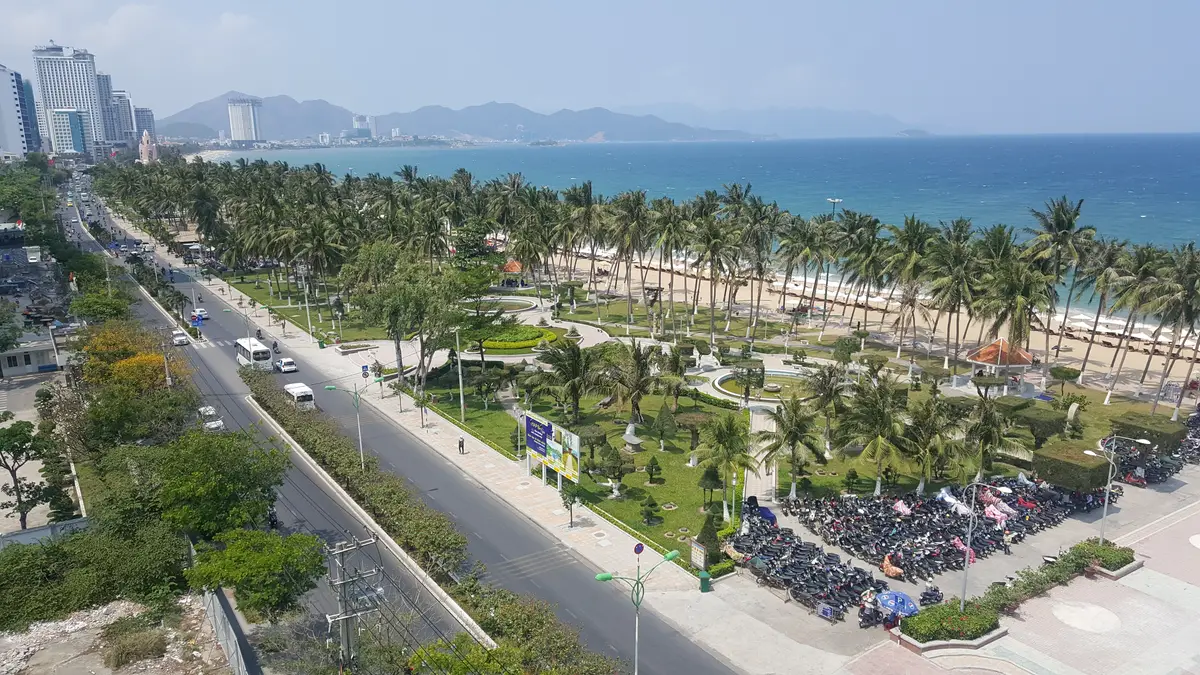
No published market report with a Nha Trang average primary price turned up. What exists is asking prices on a listing page, which are not sale prices. On the Batdongsan.com.vn page of 13 October 2026 sellers asked:
| Listing | Area | Asking price |
|---|---|---|
| Vega Alora Nha Trang | 30 m2 | 1.7 billion VND |
| Muong Thanh Vien Trieu, tower OC3 | 75.2 m2 | 3.95 billion VND |
| Muong Thanh Vien Trieu, tower OC1A | 59 m2 | 3,150,000,000 VND |
| Gold Coast, two-bedroom corner | 61.1 m2 | 8.6 billion VND |
The spread is wide, and the listings do not say whether a foreigner may buy any of them. Treat a listing as a question for the developer, not as an answer.
Costs on top of the price
The registration fee for housing and land is 0.5%. Personal income tax on a later sale is 2% of the transfer price, for a resident or a non-resident individual.
A resident individual whose annual business revenue is at or below a level set by the Government pays no personal income tax.
Decree 141/2026/NĐ-CP raised the figure in Decree 68/2026/NĐ-CP from VND 500 million to VND 1 billion. A resident who leases out real estate, other than as an accommodation business, pays 5% on the revenue above that threshold.
With several rental properties, the allowance is applied once a year across all the leases, not once per property. The rate for a non-resident owner is not confirmed here. The residency test is in Vietnam tax residency.
Maintenance fund and management fee
A buyer of a unit sold by the developer pays a maintenance fund of 2% of the unit’s value. It is counted separately from the price and written into the sale contract. Check that line before you compare two towers on price alone.
The monthly management fee is set in dong and charged per square metre of usable floor area. Before the first owners’ meeting it follows the sale contract. After that meeting the management company and the owners agree it. If they cannot agree, the provincial price framework applies.
What protects your deposit
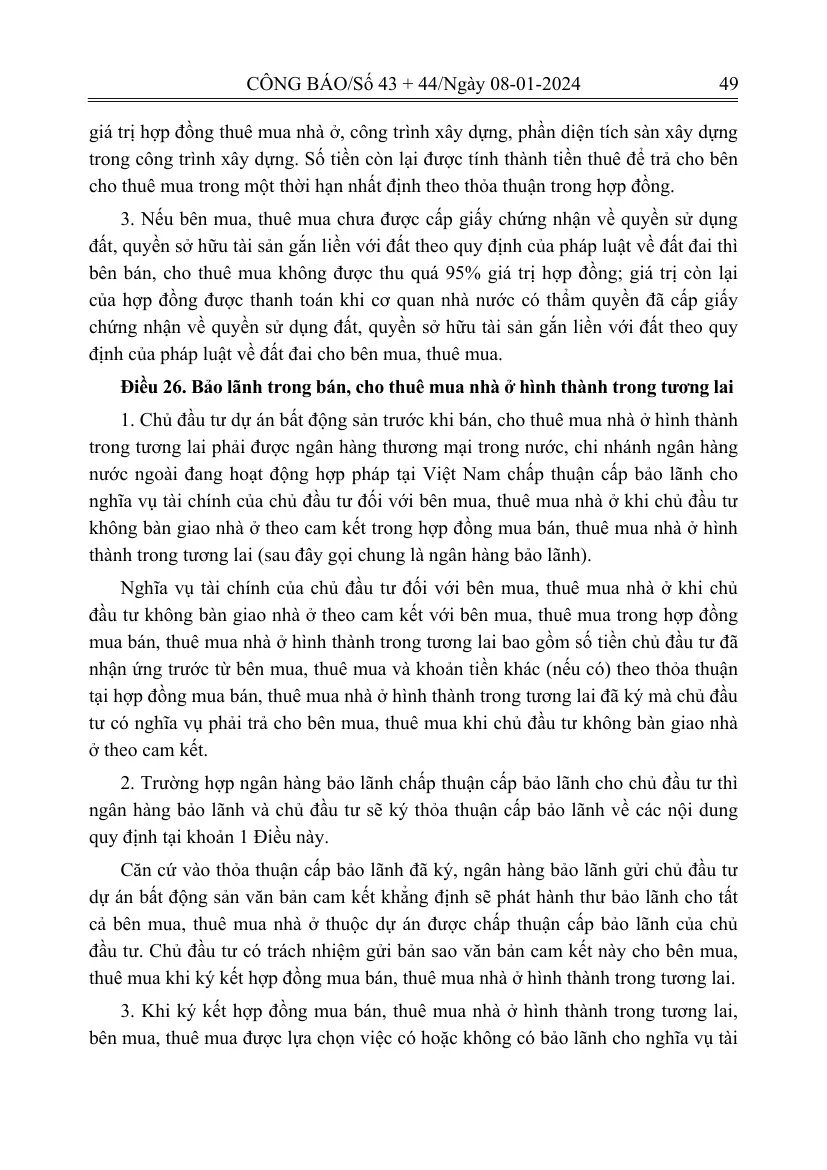
A developer may take a deposit of no more than 5% of the price, and only once the housing meets the conditions to be sold. The first payment on an off-plan sale, deposit included, is capped at 30% of the contract value. Total payments before handover are capped at 70%, or 50% where the seller is a foreign-invested company.
Before it sells an off-plan unit, the developer must have a bank in Vietnam agree to guarantee what it owes buyers. Each buyer gets a copy of the bank’s commitment letter when the contract is signed.
You may take the guarantee or decline it, and a refusal has to be recorded in writing at signing. The guarantee covers the money the developer took in advance if it does not hand the unit over as committed.
Check the project and the developer before you pay
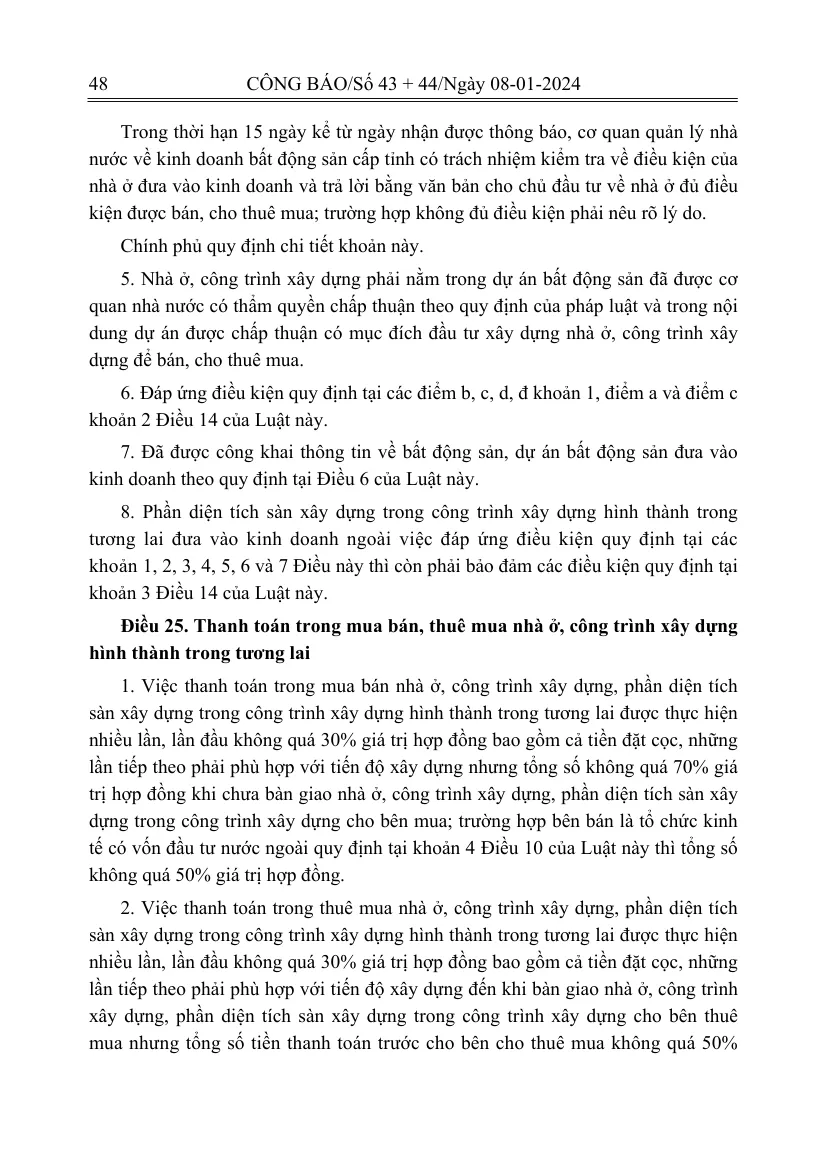
The law gives a list of papers a developer must hold before selling off-plan. Match each one to a document you have been shown.
- A construction permit for the building, where one is required, and papers showing the foundation work was formally accepted for an apartment block.
- The developer’s written notice to the provincial real estate authority that the housing meets the conditions for sale. Developers must publish the authority’s document confirming eligibility and the bank guarantee agreement.
- The bank’s commitment letter, copied to you at signing.
- The project on the province’s published list of projects open to foreign owners.
- A payment schedule inside the caps above: 30% first, 70% before handover.
Red flags
- No bank commitment letter at signing, and no written record that you declined the guarantee.
- A first payment above 30% including the deposit.
- A building with no announcement on the province’s list.
Notary and contract
A housing sale contract must be notarised or certified, except for the cases the same article lists. The contract takes effect when the notarisation or certification is completed. Notarisation is carried out in Vietnamese, and a buyer who is not fluent needs an interpreter.
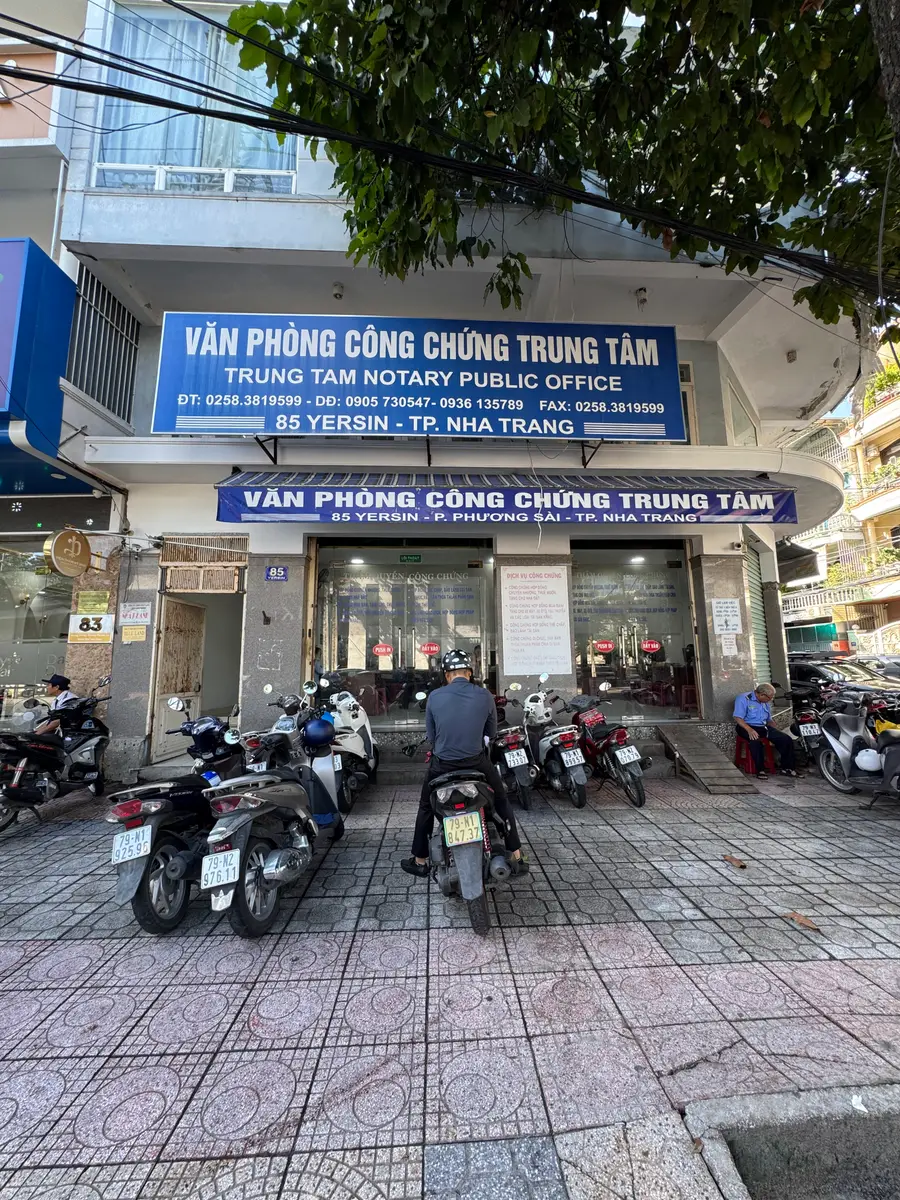
Two notary offices are registered for Nha Trang. Van Phong Cong Chung Trung Tam is at 85 Yersin Street, and Phong Cong Chung So 1 is at 13 Hoang Hoa Tham Street.
85 Yersin, Tay Nha Trang, Khanh Hoa · Open in Google Maps (opens in a new tab)
13 Hoang Hoa Tham, Nha Trang, Khanh Hoa · Open in Google Maps (opens in a new tab)
Have a lawyer paid by you read the draft contract before that step. A broker’s list is a starting point, not a certificate.
The rules behind it
The rules come from the Law on Housing 27/2023/QH15 and its Decree 95/2024/NĐ-CP, as amended by Decree 54/2026/NĐ-CP.
The two caps
In one apartment building, including a mixed-use one, all foreign owners together may hold at most 30% of the apartments with a residential purpose. Where the building has several blocks on a shared podium, count each block separately.
For stand-alone houses the cap works by area. An area means one with a population equivalent to a ward, set at 10,000 people. Foreign owners may own no more than 250 houses in one such area.
Term, extension and the end of it
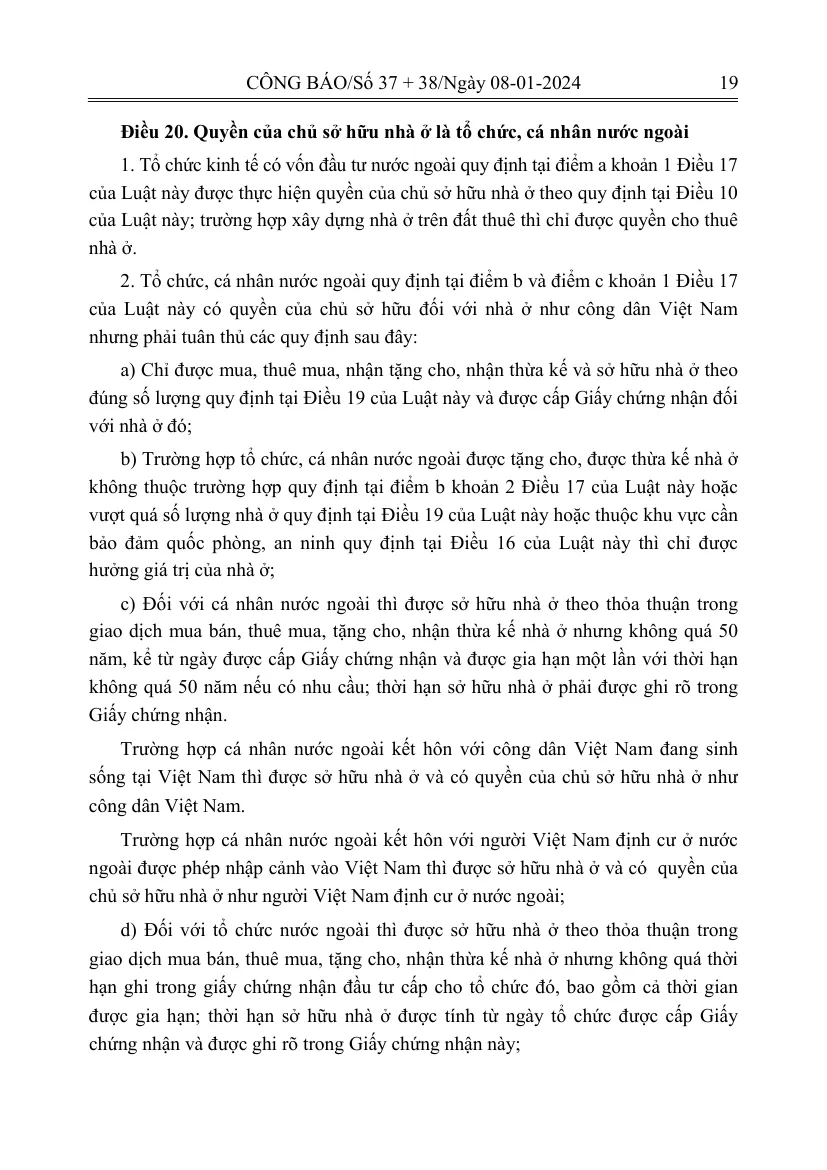
Ownership lasts for the term agreed in the transaction, but not more than 50 years from the date of the certificate. It may be extended once, for up to 50 more years. Apply at least 3 months before expiry to the provincial People’s Committee where the housing is; it decides within 30 days.
Before the term ends you may sell or give the unit to anyone eligible to own housing in Vietnam, directly or through someone you authorize. If the term ends with the unit unsold, it becomes public asset.
Rights you own with it
A foreign owner holds the rights of an owner as a Vietnamese citizen does, subject to the quantity rules. Those rights cover selling, giving, exchanging, bequeathing, mortgaging, contributing as capital, assigning the sale contract, leasing, lending and authorizing management.
Renting it out is allowed. You must give the district-level housing management agency written notice first and pay tax on the rent. If you marry a Vietnamese citizen living in Vietnam, you then hold the rights and obligations of a citizen over the housing.
Financing the purchase
The law lets an owner mortgage the housing, and a foreign owner holds the owner’s rights as a Vietnamese citizen does, subject to the quantity rules.
Payment for the purchase must go through a credit institution or foreign bank branch operating in Vietnam. The text read here does not say whether a Vietnamese bank will lend to a foreigner. Each bank decides that, so ask the bank before you sign, and do not count on a loan when you set the deposit schedule.
The certificate, and payment
The State recognises you as owner by issuing the certificate of land-use rights, house ownership and other assets attached to land. Where the owner holds no land-use right over the plot, the housing transaction documents back the certificate. Payment must go through a credit institution or a foreign bank branch operating in Vietnam.
When ownership does not follow
A gift or inheritance that breaks the eligibility, quantity or defence and security conditions means you receive only the value of the housing, not the housing itself. A foreign individual not permitted to enter Vietnam who is given or inherits housing here is not issued a certificate.
Such a person may only sell or give the housing to someone eligible to own housing in Vietnam. A forced-exit or expulsion order against you puts the housing under the competent authority’s decision.
Planned changes to the Law on Housing
The National Assembly session opens on 17 October and is expected to close on 20 November, in two parts. Bills to be considered include the amended Law on Housing. A draft amendment proposes to narrow what foreigners may own to apartments only, with no individual houses.
For entry options, see Vietnam e-visa rules or the visa exemption list. For a shorter stay, start with renting an apartment in Nha Trang.
Photos and clips uploaded to Google Maps (Napoleon Castle on Google Maps (opens in a new tab), Gold Coast Nha Trang apartments on Google Maps (opens in a new tab), Nha Trang Beach on Google Maps (opens in a new tab)) by @Kirill Chernopyatov, @Sergei Shumov, @Napoleon Castle Nha Trang, @Nart Mart, @Hải Ngô.
Step by step
- Ask for the project's noticeThe provincial People's Committee announces the list of projects open to foreign owners on its web portal; ask the developer for the notice and the remaining quota in writing.
- Check the 30% building capAll foreign owners together may hold at most 30% of the residential apartments in one building, counted per block.
- Reserve with a capped depositA developer may take a deposit of no more than 5% of the price, and only once the housing meets the conditions to be sold.
- Sign the contract before a notaryA housing sale contract must be notarised or certified; notarisation is carried out in Vietnamese.
- Pay through a bank in VietnamPayment goes through a credit institution or foreign bank branch operating in Vietnam; total payments before handover are capped at 70% of the contract value.
- Collect the certificateThe State recognises you as owner by issuing the certificate.
Not confirmed: Which Khanh Hoa projects are open now: the only announcement found is a July 2020 notice for Nha Trang Bay. No current list was found on the Department of Construction portal. Ask the developer for the notice and the remaining foreign quota in writing. Whether houses stay open to foreign buyers: a draft amendment would allow apartments only.
Common questions
Can a tourist buy an apartment in Nha Trang?
A foreign individual permitted to enter Vietnam may own housing here. The passport checked at the transaction must be valid and carry a Vietnam entry stamp, or an equivalent entry document.
Which Nha Trang projects can foreigners buy in?
Only projects on the list the provincial People's Committee announces on its web portal. In July 2020 the Khanh Hoa Department of Construction said Nha Trang Bay was the first such project, with 704 apartments and at most 211 for foreign owners.
Can foreigners buy in Napoleon Castle or Gold Coast?
The Department found that 20 apartments in Napoleon Castle 1 and 45 in Gold Coast had been sold to foreigners without permission. It told the developers to wind up those contracts. Check any current notice before you pay.
How many apartments can foreigners own in one building?
All foreign owners together may hold at most 30% of the residential apartments in one building, counted per block in a building with several blocks.
How long can a foreigner own an apartment in Vietnam?
Up to 50 years from the date the certificate is issued, extendable once for up to 50 more years if you apply at least 3 months before expiry. The provincial People's Committee decides within 30 days.
Can I buy a tourist apartment or condotel in Nha Trang?
In December 2019 the Department of Construction wrote to 129 developers of tourism real estate, asking them not to sell it to foreigners. Its deputy director said tourism real estate is not housing under the 2014 Law on Housing. Ask what the current rule is before you pay.
Can I rent out the apartment?
You may lease it out. Before you do, give written notice to the district-level housing management agency and pay tax on the rent.
What tax do I pay when I sell?
Personal income tax on the transfer is 2% of the transfer price for a non-resident individual, and the same rate applies to a resident individual.
How much does a deposit cost before the contract?
A developer may take a deposit of no more than 5% of the price, and only once the housing meets the conditions to be sold. The first payment, deposit included, is capped at 30% of the contract value.
Do I need a notary?
A housing sale contract must be notarised or certified, except in the cases the same article lists. Notarisation is carried out in Vietnamese, and a buyer who is not fluent needs an interpreter.
Read next
Places in this guide
General information checked against the sources listed above, not legal advice for your situation. Rules and office practice change; confirm with the immigration office or a licensed adviser before you act. See how guides are checked.
Spotted an error? Report it.