The Oceanography Museum in Nha Trang is managed and run by the Institute of Oceanography. Its own site lists 6:00 to 18:00 every day and a visit fee of 40,000 VND per person. A new exhibit, Mysterious Ocean, opened on 2 September 2025.
The Institute of Oceanography manages and runs the museum. The museum’s own site lists opening hours of 6:00-18:00, every day of the week. Google Maps, checked on 12/10/2026, shows the same.
The table is undated, so confirm it at the ticket desk. The same page lists a guide item at 60,000 VND per trip and asks visitors to contact the communications department. A downloadable visitor map is on the page.
Parking is 4,000 VND per motorbike, 15,000 VND per car under 7 seats and 20,000 VND per car of 7 seats or more.
The new Mysterious Ocean exhibit
The new exhibit, “Dai Duong Ky Bi” (Mysterious Ocean), officially opened to visitors on 2 September 2025. The Institute’s news places it at the Oceanography Museum on Hon Chong hill, north Nha Trang.
The exhibit is laid out by ocean depth, from the sea surface down to 6000 m. Visitors can picture the differences in light and pressure at each water layer, and how marine creatures adapt to them.
Mysterious Ocean is one of the themes of the museum’s 2025 display complex, The Ocean World Through the Lens of the Universe.
What to see at the Oceanography Museum
Aquarium tanks
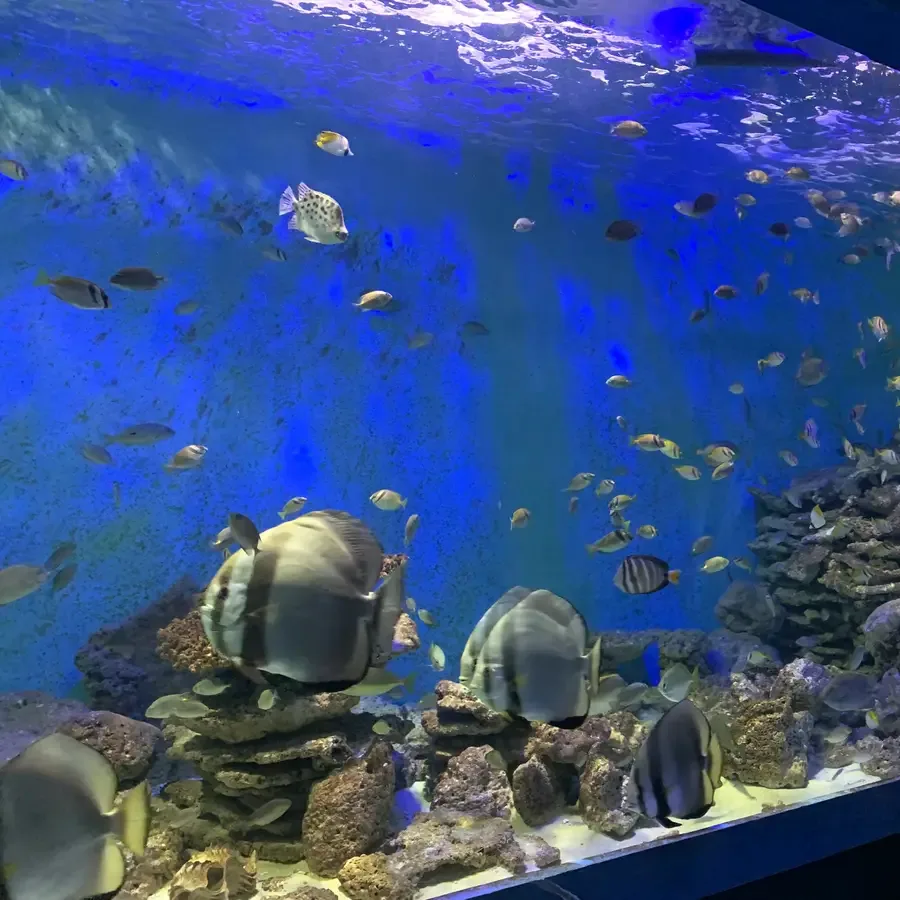
The aquarium covers 5,000 m2 and keeps over 300 marine species. The museum’s site names sea turtles, sharks, rays, eels, groupers, live coral with reef fish, and lobsters.
Animals in the tanks
The museum’s exhibits page profiles several tank animals. The zebra moray eel has a red-brown body with more than 1,000 white stripes. The horseshoe crab is one of the oldest arthropods still alive, and the page calls it a living fossil.
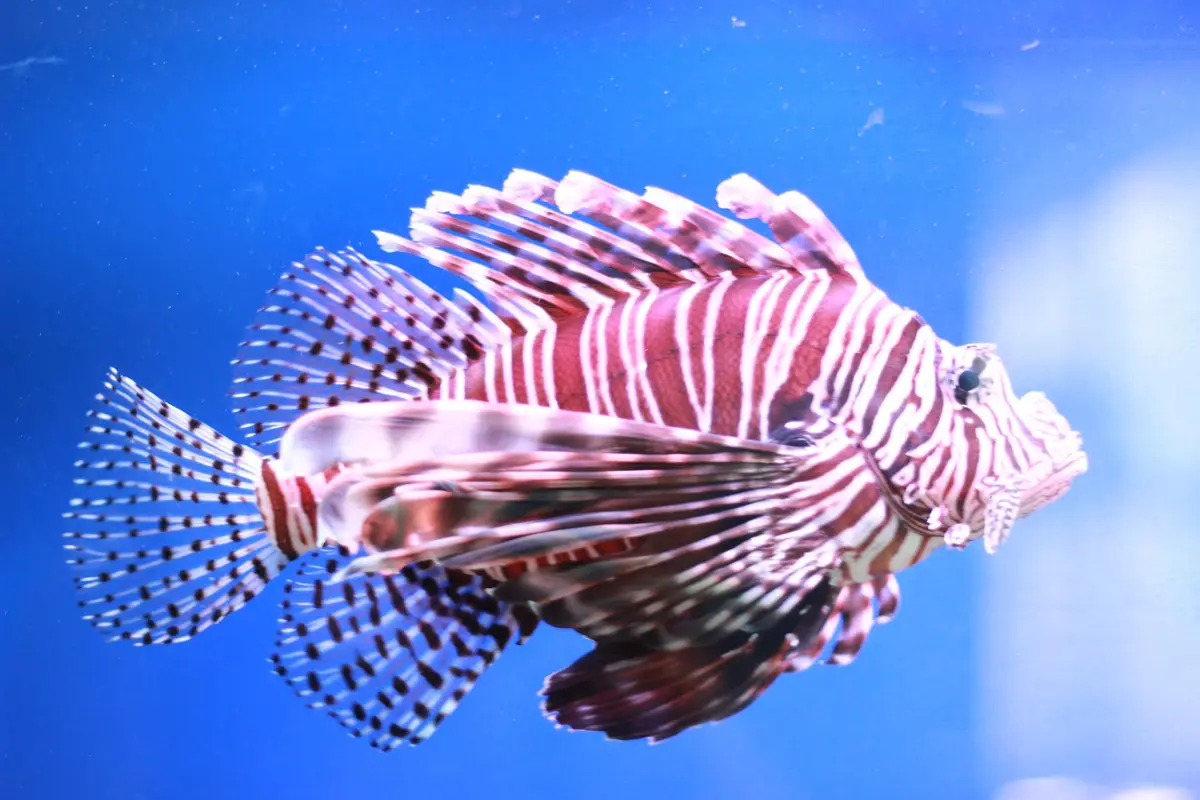
The lionfish has venomous spines, and its sting can be treated with corticoids. The male Banggai cardinalfish incubates the eggs in his mouth for about 30 days without feeding. The Institute succeeded in a captive-breeding project for seahorses.
For sea turtles, the page says Vietnam has 5 species. It also says four of them are listed as threatened.
The big specimens
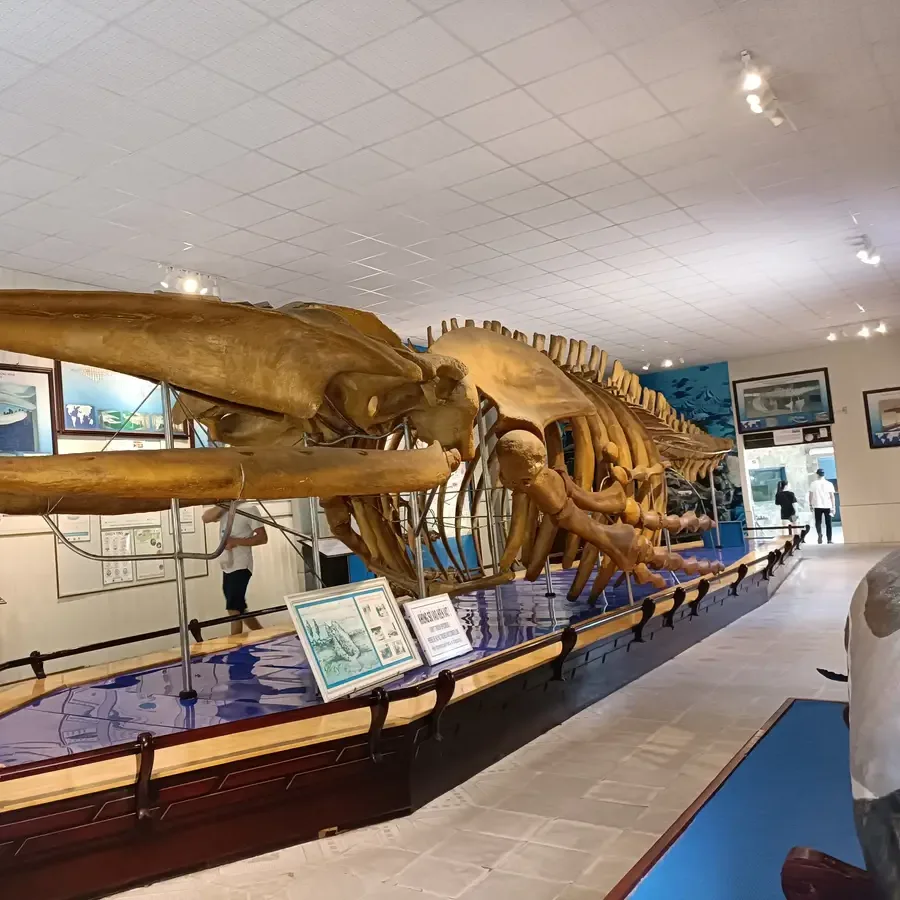
A hall of up to 200 m2 holds three large specimens. One is a humpback whale skeleton, 18 m long and weighing 10 tonnes. It lay buried in the Red River delta for at least 200 years.
The other two are a dugong skeleton and a manta ray weighing nearly 1 tonne.
The page says villagers of Hai Cuong commune dug up the whale skeleton on 08/12/1994 while digging an irrigation ditch. It lay about 1.2 m under a field, 4 km from the sea in a straight line.
One dugong skeleton on show comes from an animal that died on 22/01/1997 at Lo Voi in Con Dao National Park and was donated to the museum that November. The page says the dugong is the animal behind the mermaid legend.
The manta is 3.5 m long and 5 m wide. Its liver alone weighed 51 kg.
Hoang Sa and Truong Sa exhibit
This exhibit is built in a tunnel through Bao Dai mountain, almost 100 m long and about 5 m high. It shows hundreds of specimens from the Hoang Sa (Paracel) and Truong Sa (Spratly) archipelagos. Examples include a 70 kg, 4 m giant fish from Truong Sa and an ocean sunfish taken there in 1998.
The room also shows a volcanic bomb collected in 1989 at Phan Vinh island in Truong Sa. A Truong Sa map made of coffee beans, weighing 600 kg and covering 18 sq m, is on show.
A large Truong Sa relief model was handed to the museum on 17/06/2013 by the Me Trang coffee company.
The room also has tanks of live species native to the two archipelagos, bred at the Institute.
Specimen collection
The marine biodiversity hall holds about 23,000 specimens of 5,000 species, the largest such collection in Vietnam. The museum’s site says the Vietnam Records Book Centre (VietKings) certified it as the holder of the largest collection of marine specimens. Rare pieces include a giant clam weighing 145 kg.
Counting the collection
The exhibits page gives two figures for the marine biodiversity room. One says about 23,000 specimens of 5,000 species. Another passage says about 20,000 specimens of 7,000 species.
The same passage says original records show nearly 60,000 specimens of 10,000 species collected since 1923. The page does not explain the gap between the figures, so treat them as approximate.
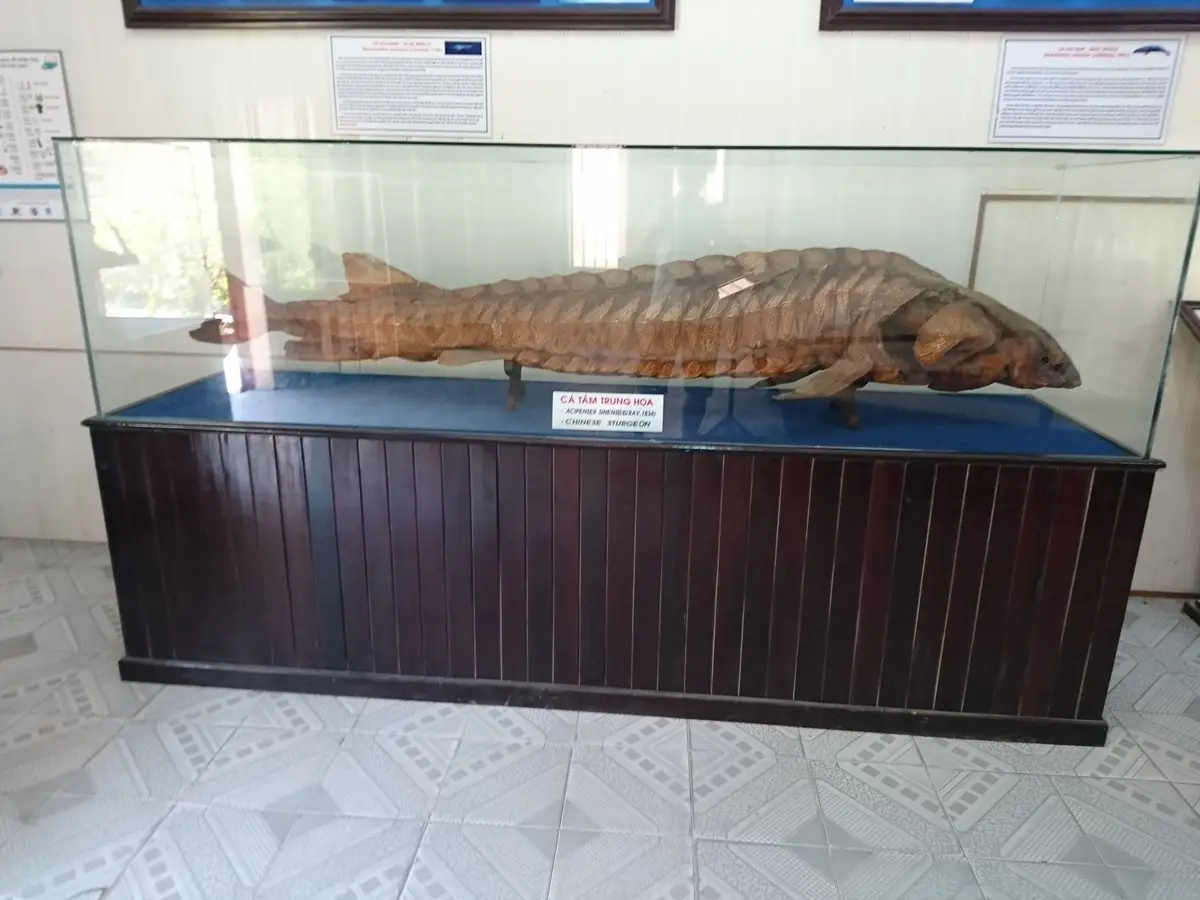
Rare pieces include a sturgeon, a king crab, a sharptail mola, a giant flying squid, a false killer whale and a seal.
Other displays
An artificial reef display explains how man-made structures support coral recovery. A fishing-gear display covers Vietnamese gear from traditional to modern. It shows traditional gear of fishers from the Gulf of Tonkin and the central coast.
Collection
The museum holds biological and non-biological specimens, important physical evidence about the sea, collected so far in the East Sea (Bien Dong).
It also keeps and acclimatises many marine species for research on biology, ecology and conservation.
A whale skeleton on display in the museum hall.
Many international experts rate the number of specimens collected and kept at the museum very highly. The museum also spreads knowledge about the sea and the results of oceanography.
Background
The Institute’s page says the museum’s predecessor was the Marine Biology Museum, built by the French right after the Indochina Fisheries Service was founded (1923). Tuoi Tre (22/04/2026) gives the Institute’s own date for that service as 14-9-1922, which matches the museum site’s 1922. Treat 1923 as a looser date.
In April 2026 Tuoi Tre reported that a coastal detailed plan drew a road across two old Institute buildings, and the Institute objected. On 22/04/2026 the ward said the plan was still under review and would be adjusted if it affects the Institute.
The museum began as the Reference Museum. It also exchanged specimens with museums such as the Paris and British natural history museums. The museum’s own site dates its start to the Institute’s first days (1922), as the Reference Museum for scientists. By 1948 it held 42,000 marine specimens.
The Cau Da aquarium museum finished 23 new fish tanks in 1941, had received visitors since 1938, and was named the Marine Museum in 1943. The Institute’s page says the museum receives hundreds of thousands of visitors each year.
The site was chosen by French scientists because tropical marine ecosystems meet there: mangroves, coral reefs, seagrass, sand flats and rocky shore.
Who it suits (and who should skip it)
Visitors interested in the sea: the collection covers specimens from the East Sea.
Anyone curious about ocean depth: the new exhibit runs from the surface to 6000 m.
Early and late visitors: the museum is open 6:00-18:00 every day.
Families and students: children under 6 are free, and students and pupils pay 20,000 and 10,000 VND.
Curious families: the page says visitors come to enjoy and learn about ocean science.
Animal-fact fans: the tanks include a living-fossil horseshoe crab and breeding seahorses.
Sovereignty-minded visitors: the Hoang Sa and Truong Sa exhibit shows specimens from both archipelagos.
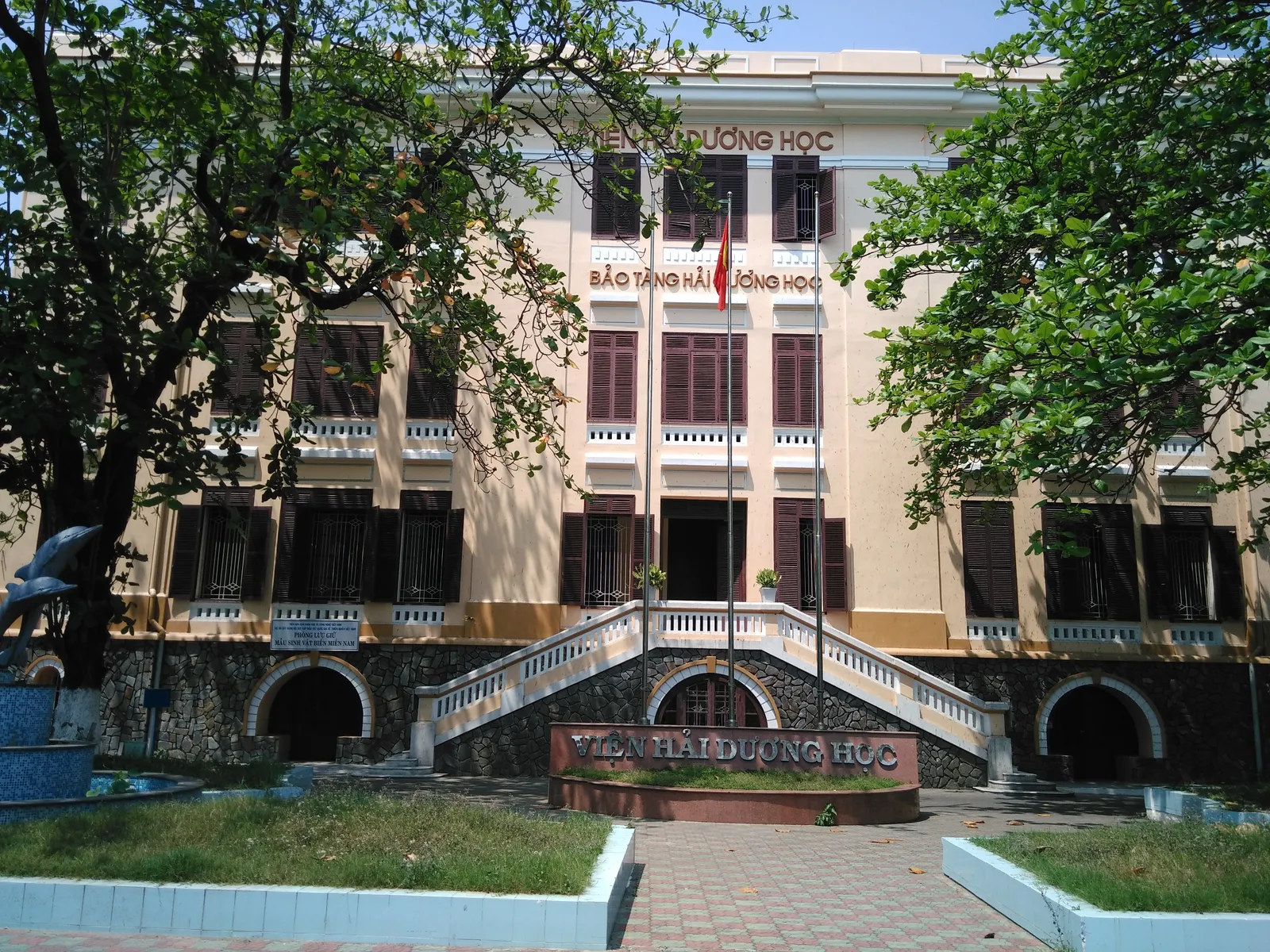
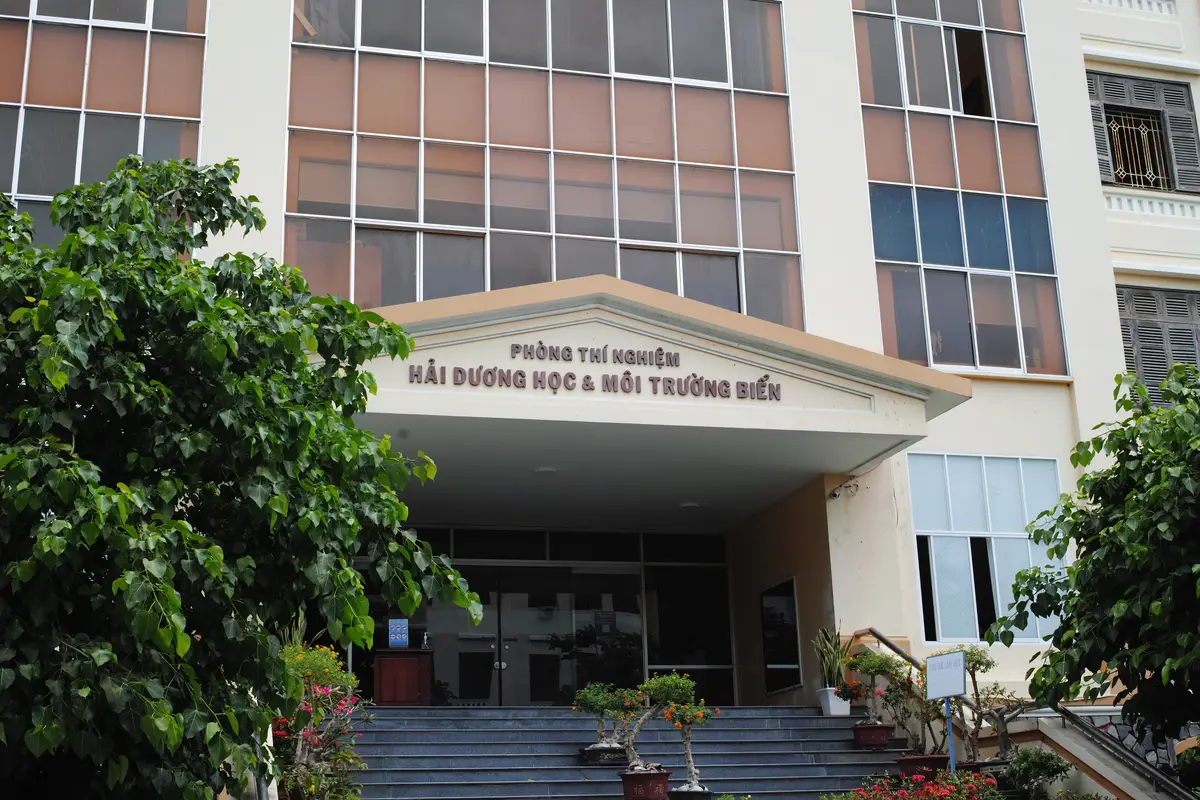
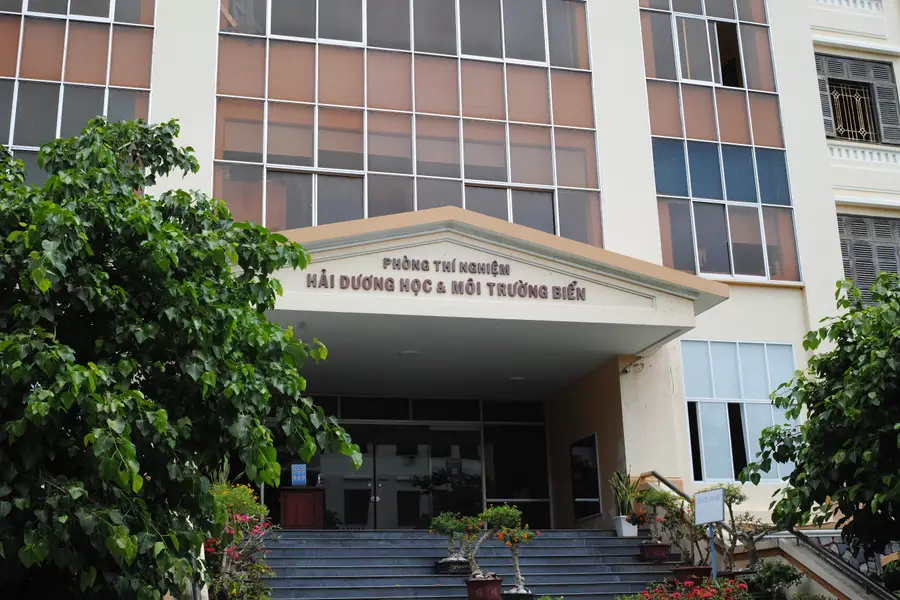
The institute building at the museum site.
How to get to the Oceanography Museum
The Institute of Oceanography gives its address as 01 Cau Da, Nha Trang Ward, Khanh Hoa. Its phone numbers are (84.258) 3590 037 and 3590 036.
The Institute’s news places the new exhibit at the museum on Hon Chong hill, north Nha Trang.
By bus
VinWonders lists route 04 as Hon Xen - Ba Pagoda tower - Le Thanh Ton - Cau Da - Vinpearl port, 5:10 - 19:10. The reference fare on the 6 inner-city routes is VND 7,000 per trip.
By taxi
Xanh SM lists its Nha Trang taxi opening fare for the first 2 km at 29,500 VND. It lists 18,000 VND per km from the next km up to km 12. The table is for reference only and may change.
A preserved fish specimen displayed in a glass case.
When to go and how long
Plan for 6:00 to 18:00, any day. No source states how long a visit takes.
Rain is the main weather risk. The Nha Trang station averages 17.6 rainy days in October and 18.0 in November, against 4.1 in March. VinWonders calls October to December the rainy season, with mostly light sudden rain.
1Check the hoursPlan to arrive between 6:00 and 18:00.
2Pay the visit feeThe museum's site lists 40,000 VND per person.
3Go to the addressThe Institute's address is 01 Cau Da, Nha Trang Ward, Khanh Hoa.
Not confirmed: Fee date: the museum's price table is undated, so confirm it at the ticket desk. Guide fee: the site lists 60,000 VND per trip without saying what it covers. Coastal road plan: it was still under review in April 2026, so check the museum's opening before you set off. Exact location of the new exhibit: the Institute says Hon Chong hill, while the museum address is 01 Cau Da, so confirm where to go before you set off.
Common questions
Who runs the Oceanography Museum?
The Institute of Oceanography manages and runs the museum.
What is the new exhibit?
Mysterious Ocean (Dai Duong Ky Bi) opened on 2 September 2025. It is laid out by ocean depth, from the sea surface down to 6000 m.
What is in the museum collection?
Biological and non-biological specimens collected so far in the East Sea (Bien Dong).
What are the opening hours?
The museum's own site lists 6:00-18:00 every day. Google Maps, checked on 12/10/2026, shows the same.
How much is the Oceanography Museum ticket?
The museum's own site lists 40,000 VND per person, students 20,000 VND, pupils 10,000 VND and children under 6 free.
What does parking cost?
4,000 VND per motorbike, 15,000 VND per car under 7 seats and 20,000 VND per car of 7 seats or more.
Is there a whale skeleton?
Yes. The museum's site lists a humpback whale skeleton 18 m long, weighing 10 tonnes.
How many species are in the collection?
About 23,000 specimens of 5,000 species.
How many species live in the tanks?
The aquarium keeps over 300 marine species.
Where is it?
The Institute of Oceanography gives its address as 01 Cau Da, Nha Trang Ward, Khanh Hoa.
General information checked against the sources listed above, not legal advice for your situation. Rules and office practice change; confirm with the immigration office or a licensed adviser before you act. See how guides are checked.